CA ruling making it difficult to keep repeat nonviolent offenders in custody before trial: SF DA

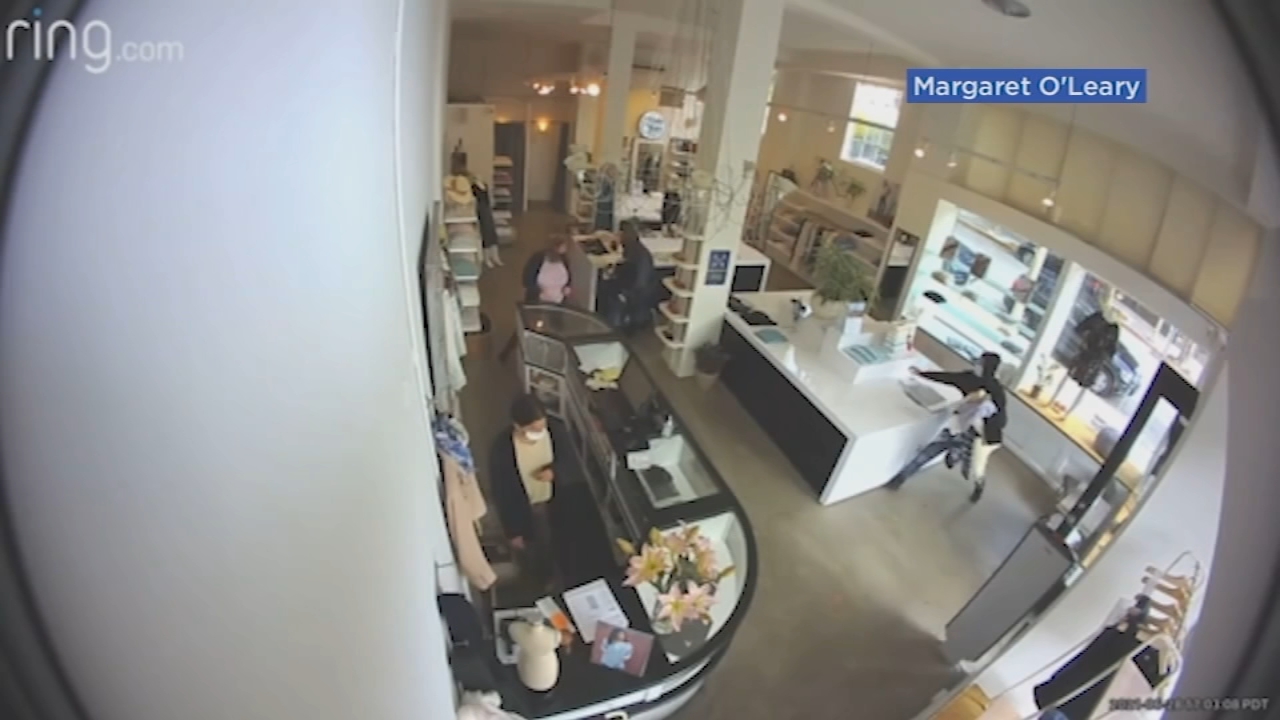
SAN FRANCISCO (KGO) -- San Francisco officials say retail theft has declined and enforcement efforts have intensified, but a recent California Supreme Court ruling could make it more difficult to keep some repeat offenders in custody before trial.
The issue comes as police and prosecutors increasingly use new legal tools and technology to target shoplifting and organized retail crime.
In one recent operation, San Francisco police arrested 22 people in a single night for shoplifting, according to video released by the Police Department's Organized Retail Crime Task Force.
RELATED: SFPD credits surveillance drones with aiding crime decline but some have privacy concerns
Since December 2024, prosecutors have been able to seek felony charges in some shoplifting and petty theft cases when a defendant has two or more prior theft-related convictions.
"We have filed well over 100 of these 666.1 cases which is really telling us that there are people who are running around with prior convictions who are continuing to steal and we've been able to one-by-one apply more serious charges to them which matters," San Francisco District Attorney Brooke Jenkins said.
Law enforcement officials also credit police drones and real-time surveillance technology with helping identify suspects and make arrests, including in pickpocketing investigations.
"We're absolutely using that as a message to send out that if you come here to San Francisco you're going to be held responsible for what you're doing," Lt. Scott Ryan said during a March visit to the department's Real-Time Investigation Center.
Despite tougher penalties and increased enforcement, Jenkins said repeat offenders are sometimes released while awaiting trial.
MORE: San Francisco repeat offenders responsible for retail theft, police say
One example cited by prosecutors involves Tyrese Boswell, who was arrested in December and accused of committing 18 thefts at a Walgreens store.
According to court documents and police allegations, Boswell was released by a judge and later became involved in seven additional thefts at another Walgreens. After being arrested again in April and released pending court proceedings, Boswell allegedly returned to the same Walgreens two more times before a third arrest.
Boswell is now being held in custody. Police allege the thefts totaled nearly $40,000.
Officials say some stolen merchandise ultimately ends up being resold illegally on city streets. Police can confiscate suspected stolen goods and issue citations, but arrests may be limited unless there is an outstanding warrant or additional probable cause.



Jenkins and other California prosecutors have expressed concerns about the impact of a California Supreme Court ruling issued in April.
The decision found that holding a defendant before trial solely because the person cannot afford to post bail is unconstitutional.
MORE: More than $779K worth of stolen merchandise recovered from Bay Area theft ring bust: CHP
"We cannot, as a system, hold them in court without being allowed to post bail that they can't afford to pay," Jenkins said.
Jenkins argues the ruling could lead to more defendants accused of nonviolent offenses being released pending trial. She pointed to a recent case involving a man accused of torturing a kitten in San Francisco who was released and later failed to appear for a court proceeding.
Days later, Reno police arrested him after serving a search warrant at a home where he allegedly had adopted and abused additional kittens.
"Anyone who has committed a non violent crime, I mean non violent against another person not an animal, anything like that is going to be back onto the streets, most likely," Jenkins said.
The debate highlights tension between efforts to reduce retail theft through stricter enforcement and concerns about pretrial detention practices.
Prosecutors contend repeat offenders can continue committing crimes while awaiting trial, while courts must balance public safety concerns with constitutional protections for defendants. As San Francisco continues its campaign against organized retail crime, officials say the effects of the California Supreme Court's ruling will likely play a significant role in determining how future theft cases are handled.