Clint Reilly, influential SF political strategist and San Francisco Examiner owner, dies at 79
Reilly helped shape generations of California and San Francisco politics while building a business empire.


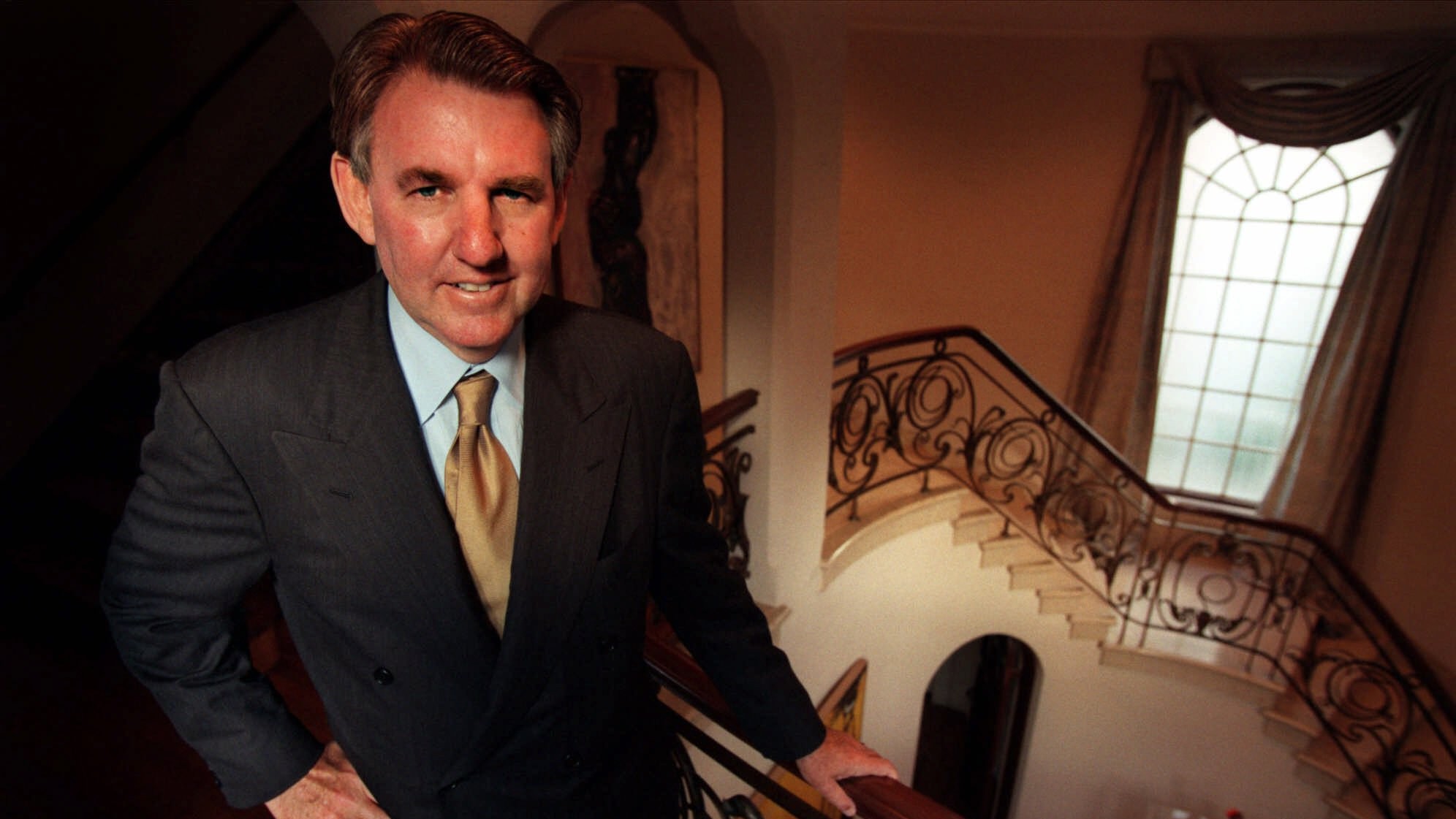
SAN FRANCISCO (KGO) -- Clint Reilly, the veteran political strategist who helped shape generations of California and San Francisco politics while building a business empire, died Sunday at age 79.
For decades, Reilly was one of the most influential figures operating behind the scenes of Bay Area politics, managing campaigns, advising candidates and helping professionalize a political consulting industry that would grow into a year-round enterprise.
His influence reached some of the state's most prominent Democratic leaders. Reilly managed early campaigns for Nancy Pelosi, Barbara Boxer and Dianne Feinstein, earning a reputation as a political strategist whose support carried weight in San Francisco political circles.
News of his death prompted tributes from major California political figures. Gov. Gavin Newsom called Reilly a "brilliant mind" in a social media post Monday, while Speaker Emerita Nancy Pelosi said Reilly helped make San Francisco a "stronger, more vibrant and more compassionate place."
Reilly's career extended well beyond campaign politics. After finding success as a consultant, he expanded into business and real estate, including the acquisition of the Merchants Exchange Building in San Francisco.
"He saw an opportunity to take that success and turn it into a even larger business, bought the Merchants Exchange Building and other properties. And he became like everything else, he touched a superstar in business in the same way he was a superstar in politics," said Sam Singer, president of Singer Associates Public Relations and a former mentee of Reilly.
Reilly's path to politics was not a direct one. Before becoming one of California's most influential political strategists, he studied for the priesthood in a Catholic seminary, an experience former San Francisco Mayor Willie Brown believed shaped his approach to politics.
Brown, who once faced Reilly on the opposite side of a campaign when Reilly ran against him for mayor, said Reilly's ability to listen set him apart from other consultants.
"I think it was that training to be a priest. He listened. And when he listened, he came back with a response that most people appreciate," Brown said.
Reilly's influence eventually extended beyond politics and real estate into media. He acquired the San Francisco Examiner and later the Nob Hill Gazette, giving him a presence in several of the institutions that helped shape public debate in San Francisco.


Singer said Reilly approached business with the same ambition that defined his political career.
"He saw an opportunity to take that success and turn it into a even larger business, bought the Merchants Exchange Building and other properties. And he became like everything else, he touched a superstar in business in the same way he was a superstar in politics," Singer said.
MORE: Senator Dianne Feinstein, an 'icon for women in politics,' dies at 90
Reilly's long career was also marked by occasional controversy. One of the most publicized incidents involved a physical altercation with former San Francisco Examiner editor Phil Bronstein that resulted in a lawsuit and widespread media attention.
"He wound up getting into a fight with the editor, Phil Bronstein. And Bronstein wound up breaking Clinton Riley's ankle. It was a real big blow up that resulted in a lot of press and a pretty big lawsuit," ABC7 political analyst Phil Matier said. "Clint was really much sort of the tail end of the rough and tumble angle of politics in San Francisco and in California, it was: 'Take no prisoners. Do whatever it takes.' Mailers, hit pieces, you name it. They did it to win."
Matier argues that Reilly's larger impact was helping transform campaign consulting into a permanent political industry that worked on both candidate races and ballot measures.
"He turned it into an all-year-round, money-encompassing machine that worked with both candidates and initiatives. And that is one of the reasons why we have the multibillion-dollar political structure, endless campaigns that we see today, for better or worse," Matier said.
Beyond electoral politics, Reilly played a role in civic campaigns, helping efforts to keep the San Francisco Giants from leaving the city in 1992 and supporting a successful 1994 campaign for a $52 million bond measure that funded the Asian Art Museum.
His reach extended across San Francisco's political, business and civic communities, making him one of the defining figures in the city's modern political era.