As cyclosporiasis spreads across US, what goes into a disease outbreak investigation?
An outbreak has been linked to shredded iceberg lettuce in at least 9 states.

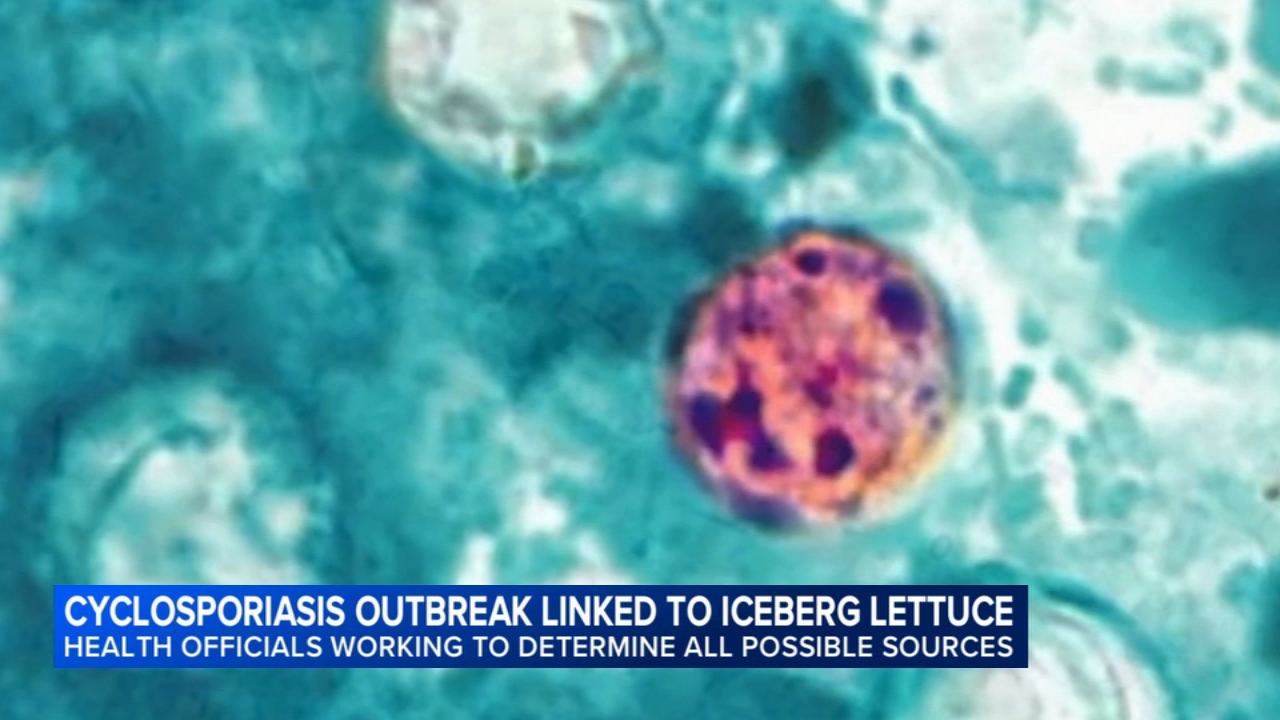
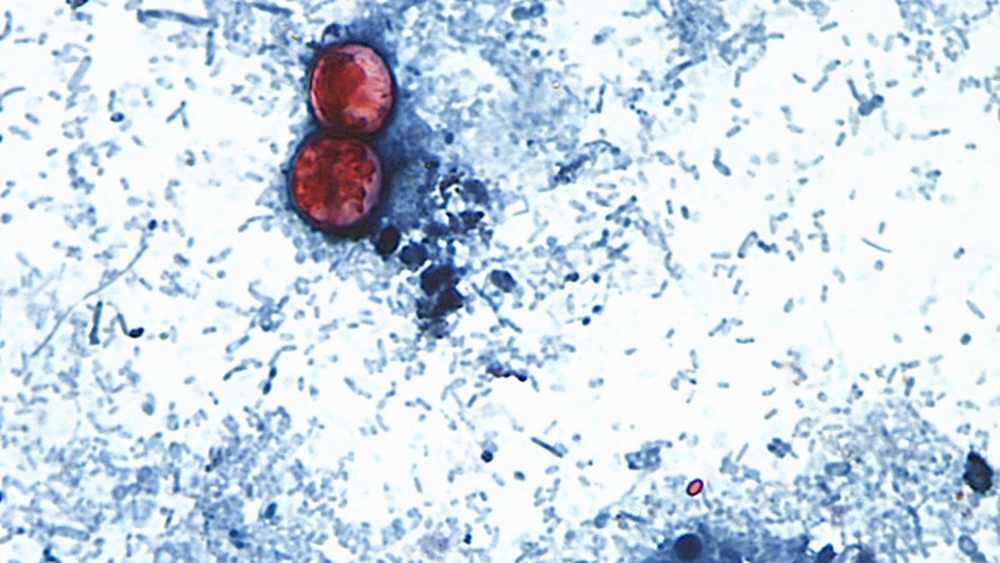
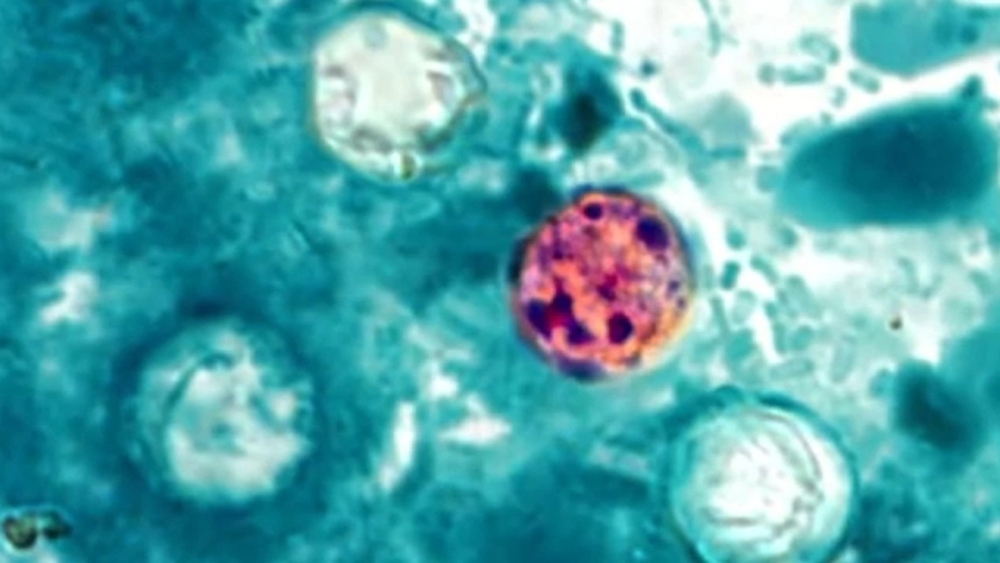
Health officials are continuing to investigate as cases of cyclosporiasis, an intestinalillnesscaused by a parasite,spread across the United States.
Morethan11,500cases have beendetected in41states, according tothe most recentdatafrom the Centers for Disease Control and Prevention (CDC). Ofthose cases, about4,100have been laboratoryconfirmed, and about7,400have yet to be.
The CDC and Food and Drug Administration(FDA)have linked an outbreak in at least nine statesto shredded iceberg lettuce at some Taco Bell locations, supplied by TaylorFarms and sourced from central Mexico.
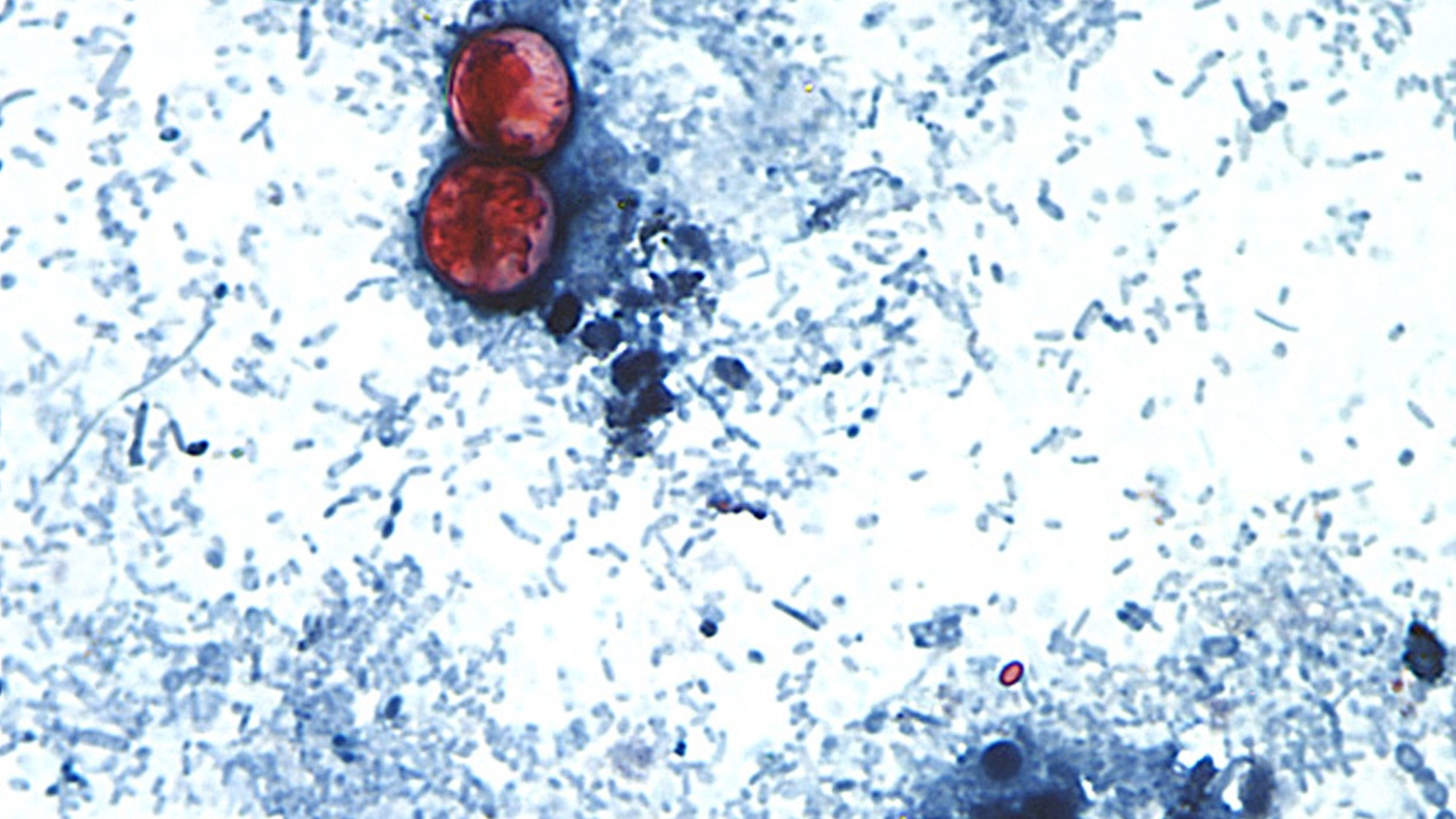
Federal health officials,along with state and local partners,have been examining the outbreak,looking at otherpotentialsources and investigatingunaffiliated clusters across the country.
But what exactly goes into investigatingan outbreak of a foodborne illness? Public health specialists told ABC Newsit isa multi-stepprocess including diagnoses, interviews, traceback and public heath messaging,all ofwhichcan take time.
"The U.S. has had, for decades now, very robust infrastructure to investigate, to find and prevent foodborne outbreaks," Dr. Graham Snyder, an infectious diseases expert and medical director of infection prevention and hospital epidemiology forthe University of Pittsburgh Medical Center, told ABC News.
Detecting outbreak, finding cases
Investigating foodborne outbreaks like the ongoingcyclosporiasis outbreakrequires multiple steps, whichSnyder explained are not sequential and are oftenoccurringsimultaneously.
Typically,an investigationbegins when clinicians diagnose patients. This can be challenging with cyclosporiasis because the average time between infection and when symptoms appear is one week but can takeup to two weeks or longer. This makes itdifficulttodeterminewhat infected someone.
The most common symptom of cyclosporiasis is watery diarrhea with sometimes "explosive bowel movements," according to theCDC.
However, many peoplehave mild symptoms thatcanresolveontheir ownwithoutmedicalcare.Those who have moresevere symptoms may choose not to seek careas well.
"Outbreak investigation... itrequires peoplegettingdiagnosed," Snyder said. "Cyclosporais a pathogen thatdoesn'ttend to make people seriously ill, ill enough to be hospitalized...so people may have diarrhea and say, "Ah, just diarrhea,I'llsit this one out'and a lot of people get better without treatment, so they may not get diagnosed."
He noted how "that type of situation is challenging" when it comes to diagnosis.
"Inthis circumstance, it requires doctors and advanced practice providers to recognize that there isa cyclosporiasisoutbreak, that their patient has symptoms that may be compatible with that, and then get the specific test, not onethat'sroutinely occurred," he said.
Testing for Cyclospora -- the parasite that causes cyclosporiasis -- is not typically included in routine U.S. laboratory stool testing and must be specifically requested by a healthcare provider, according to the CDC, which can delay results.
When public health officials investigate a foodborne illness outbreak such as Salmonella or E.coli,a laboratory can grow thebacteriumin a culture and usewhole-genome sequencing-- a process that figures out the exact order of all the DNA bases in an organism -- to subtype it.
Snyder said officialscompare the genetic code of the bacteriato see if different patients are carrying closely related strains,whichindicatesthe bacteria are probably from a common source.
Cyclosporacannot be grown ina laboratory andrequires a different type of testing and subtyping.
"Parasites cannot be cultured and we have to rely on more specialized testing like molecular testing,"Dr. Peter Chin-Hong, an infectious diseases specialist and associate dean for regional campuses at the University of California, San Francisco, told ABC News.
He noted that whole genome sequencing "can'fingerprint'bacteria," allowing officials to link cases.



"It is harder to'fingerprint'Cyclospora and other parasites," he said."So,investigators inCyclospora need to rely more heavily on food interviews and epidemiology -- more pattern recognition rather than molecular precision."
The CDCusuallyidentifiesa multistate outbreak throughthe national laboratory network PulseNet, for a bacterial enteric (intestinal) diseaseoutbreaks, or through public health partners, as occurred with the cyclosporiasis outbreak.
Tracebackinvestigation
After casesarereportedto local public health departments-- if officials realize thereis agreater than expected frequency of cases -- theybegin a traceback investigation.This involves calling those who are infected and asking them to trace back what they've eaten in the past several days.
"The next step is toidentifywhat cases have in common," Snyder said. "So, for example, you may interview people who, in a particular area, went to the doctor and had diarrhea, and some of those people haveCyclospora. Some of those people have something else.So,we'llinterview them and ask them,'Tell us about all the food that you eat.'"
Chin-Hong said this can be difficultto dofor lettuce because saladmix at an eating establishment cancontainleaves from several different farms.
"It'snot like 'Murder She Wrote' or a Netflix crime drama," Chin-Hong said. "The evidence is eaten, the crime scene is cleared, the witnesses don't remember and the traditional forensic toolsdon'twork in the same way."
Snyder said the CDC has an "impressively large tool" thatstaff uses to conduct "really rigorousinterviews"about foods that people have eaten.
"You then compare the frequency of foods that people have eaten amongpeoplewhoare sick and who are not," he said.
Investigatorswillinterview patients to findcommonexposures-- be itfoods, restaurants, grocery stores,or travel.
Snyderadded thathealth officials will theninvestigate thesupply chain, looking atpractices,determiningifthere isanything related to hygiene, food handling, equipment disinfection that is not up to the standard it shouldhavebeento prevent contamination or cross-contamination.
Officialsmay also interview people workingin differentareas to find out ifthey'vehad the illness or not,which may includesampling the foodor the equipment being used, Snyder said.
'We know that this lettuce has broad distribution whichis likely resulting in broader illness," saidJohn Brownstein, chief innovation officer at Boston Children's Hospital and an ABC News medical contributor."It'sreaching restaurants, retailers, food servicedistributionand that has a range ofdifferent locationsfrom restaurants toWalmartsto U.S.food customers.So,we recognize that there[are]likely manypoints of intersection with this tainted lettuce."
Voluntary recall, public health messaging
One of the next steps will be preventing moreillnesses,often by making sure thecontaminatedfood isremoved from store shelves, restaurant kitchens or homes.
This includes recalling the food, warning people not to eat or sell the foodortellingpeople how to make the food safe to eat, according to theCDC.
Earlier this month, Taylor Farms de Mexico issued avoluntary recallof all iceberg lettuce sourced from central Mexico, with the recall affecting 27 states. The recalled products were distributed from June 29 through July 16 and have best-if-used-by dates up to Aug. 3.
Additionally, Taco Bell said it isno longer using lettuce from Taylor Farms de Mexicoat any of its restaurants.
"Wethen start to givemessageoutto the public about food safety," Snyder said. "We want to prevent harm right off the bat. So, while you're figuring things out, you're doing work to prevent more transmission."
Brownstein saidit isimportant to understand that theinvestigationwill take to time to complete -- as will the outbreakto resolve --due todelaysin symptoms appearing as well as delays in testing and reporting.
The CDC said it can take up to six weeks todetermineif a sick person is part of thecurrentcyclosporiasisoutbreak.
"This means that we may not know for several weeks when this outbreak is over and in the meantime, we have to practice vigilance," he said. "Wehave to understand where the sources of potentially tainted lettuce came from, so individuals can make sure thatthey'renot consuming that lettuce. ... Mostly, they just need to follow CDC and FDA guidance to make sure they are practicing safe food consumption habits."