'Fawn-napping': CA wildlife officials warn against taking young deer found alone, leading to deaths

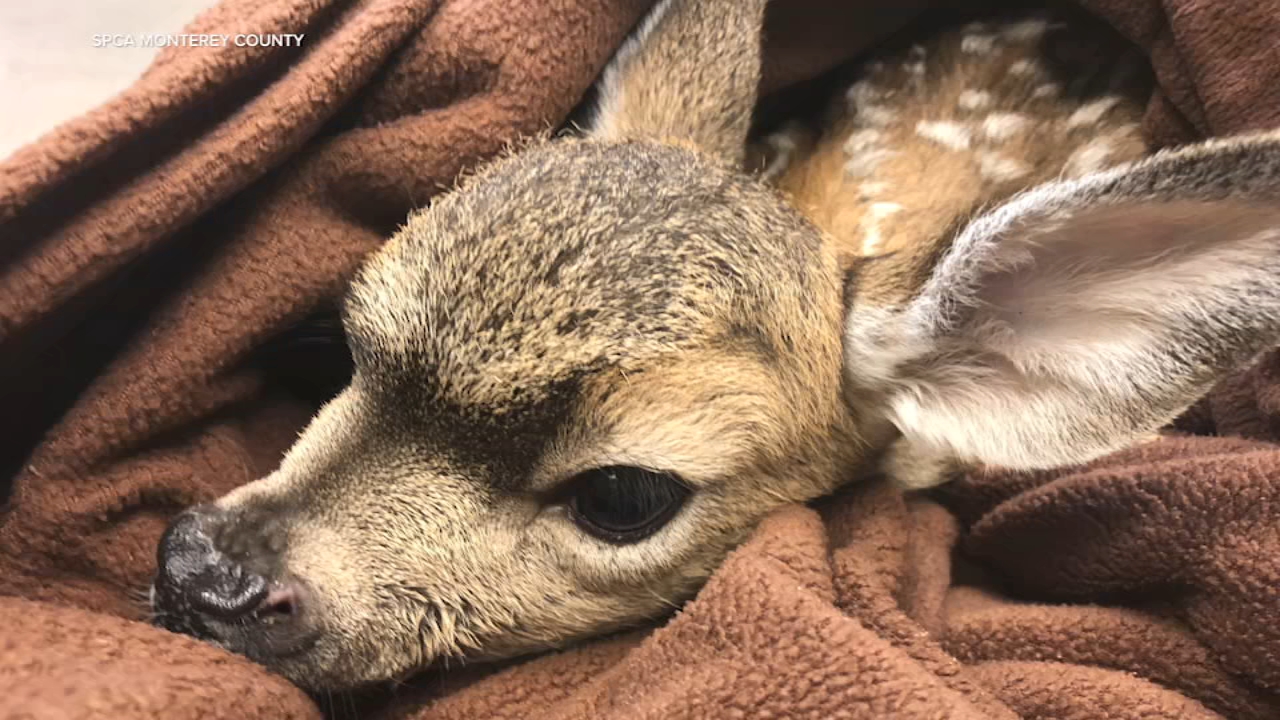
MONTEREY COUNTY, Calif. (KGO) -- Wildlife experts across California are urging the public not to pick up young deer they find alone in the wild, warning that a well-intended act can seriously harm the animals.
The practice, sometimes referred to as "fawn-napping," happens when people remove baby deer they believe have been abandoned by their mothers. Experts say that assumption is often wrong.
"Unlike many babies, fawns are actually left alone for the majority of their day while their mothers go and forage for food and then come back and take care of them," said Beth Brookhouser, who works with SPCA Monterey County.
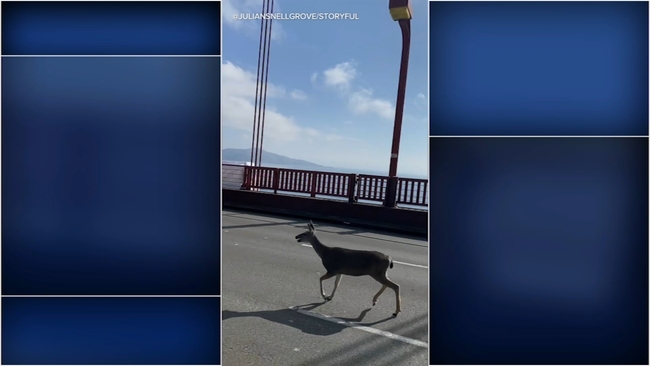
VIDEO: Confused deer briefly stops traffic on San Francisco's Golden Gate Bridge
Brookhouser said people who encounter a lone fawn often believe they are helping but instead cause unnecessary stress to the animal.
"They scoop them up, throw them in the car and bring them to us. Which is so incredibly stressful to the fawns. And, sometimes, they don't even survive that stress," Brookhouser said.
So far this year, SPCA Monterey County has handled six cases of fawn napping. Two of those animals have died.
MORE: California hunters will soon be allowed to kill up to 2 bears per season as population surges
Officials say the problem is not limited to Monterey County. Jeffrey Stoddard of the California Department of Fish and Wildlife said cases are reported throughout the state, including the Bay Area.


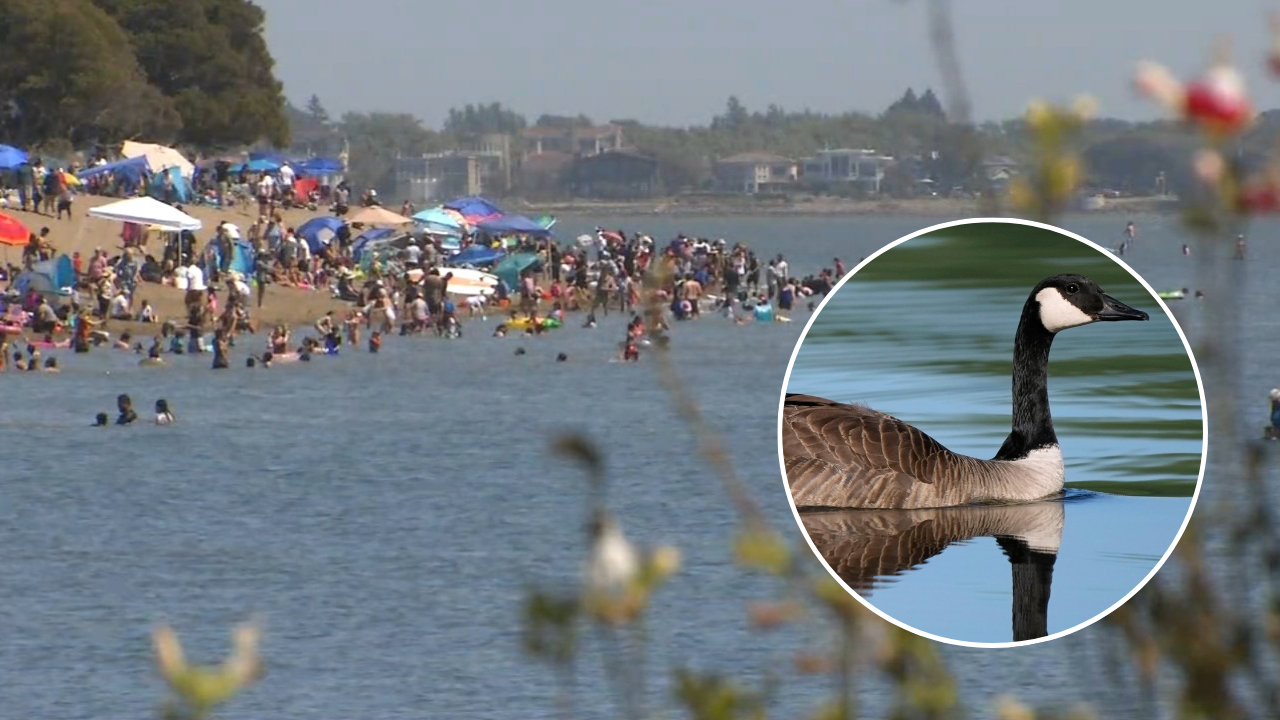
"For Memorial Day weekend coming up, we'll have a lot more people out there recreating and that's the time where this sort of an issue pops up more often," Stoddard said.
Wildlife experts say people should only intervene under extreme circumstances, such as when a fawn is visibly injured, crying out in distress or when its mother is found dead nearby.
MORE: Giant Steller sea lion 'Chonkers' draws crowds to SF's Pier 39: Here's what you need to know
Even when rescued and rehabilitated, Stoddard said young deer face long-term challenges.
"Even if we are able to rehabilitate them, they aren't going to learn the skills necessary from their mother to find forage, to survive, to know what predators are," he said.
Experts say fawn season typically lasts through the summer and urge the public to leave young deer alone unless there is a clear and immediate danger.