Local Spotlight: Exploratorium exhibit explores life in space
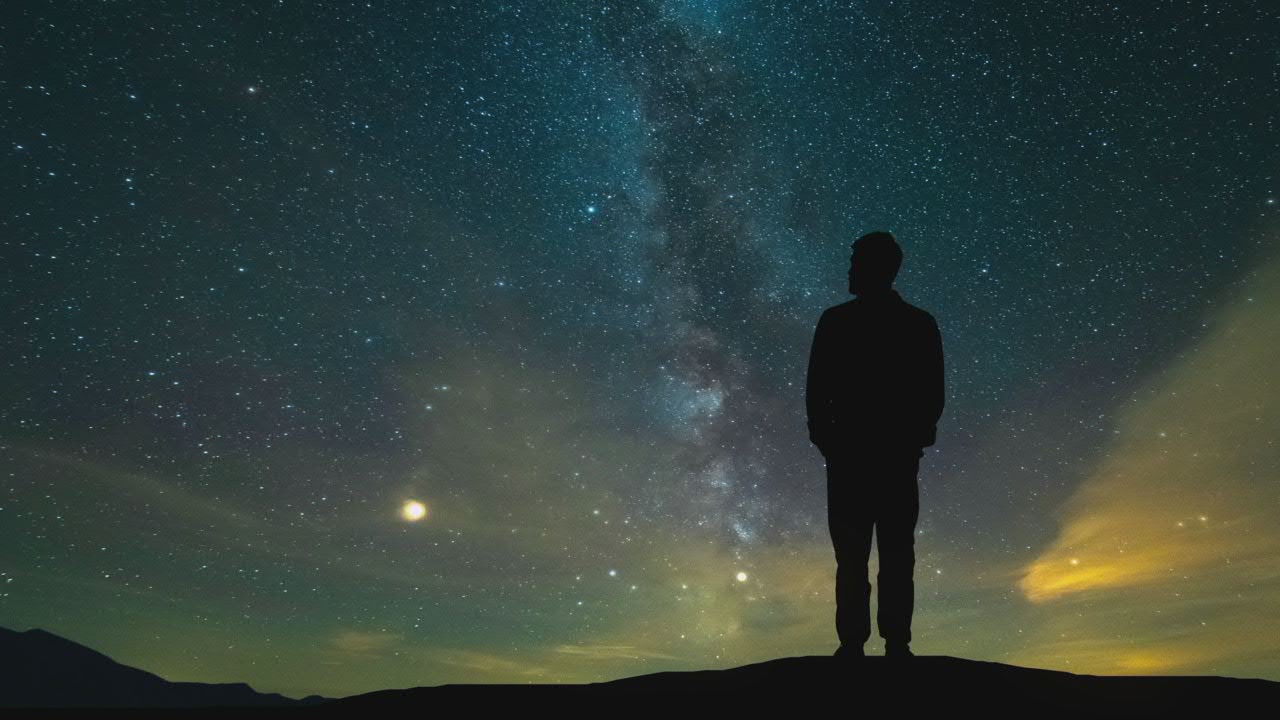

SAN FRANCISCO (KGO) -- The Exploratorium's summer exhibition, "Life in Space," explores the challenges of human survival beyond Earth and the ongoing search for evidence of extraterrestrial life, offering visitors an interactive look at space exploration, technology and the future of living and working in space.
The exhibition comes amid renewed public interest in space exploration, fueled in part by NASA's Artemis missions.
"Space has been in the zeitgeist in American culture since 1969," Program Director of Public Programs at the Exploratorium Sam Sharkland said.
"We're really moving back into real space. We thought it was timely to do an exhibit that talks about all of that," Chief Science Officer at the Exploratorium Rob Semper said.
"Life in Space is our summer exhibition. We're really looking at the efforts to create the ability and conditions for humans to live and work in space, as well as the search for evidence of life in space," Director of Temporary Exhibitions Allison Roach said.
The exhibit examines the technological and scientific questions surrounding space habitation while encouraging visitors to think critically about humanity's future beyond Earth.
"We build exhibits and experiences here to help people ask questions, question answers, and really just explore the world around them," Semper said.
Visitors first encounter displays focused on the hazards of space, including radiation, extreme temperatures and the vacuum environment beyond Earth.
"How do we survive? Because it's not as easy as it looks in some of the movies. It is very, very difficult," said Program Manager Michelle Sweany.
The exhibition features replica spacesuits from the Apollo and Mercury eras.


"Space suits are an incredibly important way that astronauts are able to survive out in space. The vacuum of space is really bad for you and your body," Kaitlin McArdle, lead exhibit developer said.
Because gravity cannot be replicated indoors, the Exploratorium has created exhibits that simulate some of the challenges astronauts face in microgravity.
One interactive display, Floating Puzzle, allows visitors to test their ability to complete a simple puzzle while the pieces constantly drift out of place, mimicking conditions in space. The exhibition also includes real video and imagery showing how astronauts live in low-gravity environments.
"What it's like to eat in space, what it's like to move around, what it's like to use tools," Sharkland said.
The exhibition also offers visitors a chance to examine humanity's fascination with extraterrestrial life.
"And I think popular culture speaks to this in science fiction literature, movies, and other ways that we gravitate towards those stories of, is there other intelligent life out there?" Sharkland said.
Beyond the exhibition floor, the Exploratorium programs lectures, artist appearances and After Dark events.
Exploratorium officials say that becoming members offers opportunities for repeat visits and access to additional programming like a science fiction film series which includes free popcorn.
"I love that people are learning. I love to watch the aha moments. You go home with it, well, that was really fun, but you did learn something, and I love we're a part of that," Sweany said.