North Carolina teen dies from rare brain-eating amoeba found in freshwater: Health officials
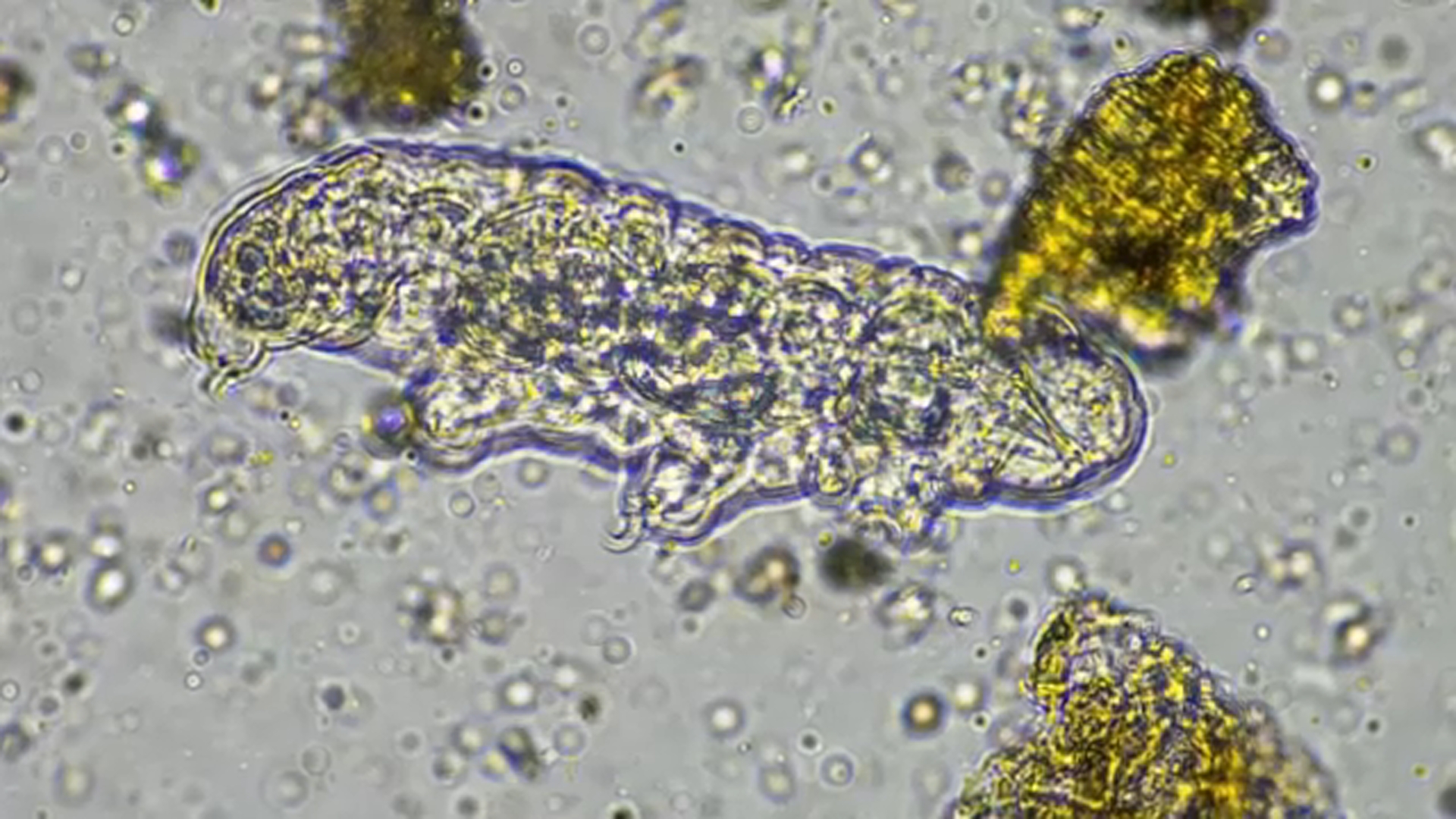


RALEIGH, N.C. -- North Carolina health officials say a teenager has died days after contracting a rare brain-eating amoeba found in freshwater.
The teenager, whose identity was not released, died on Monday, the North Carolina Department of Health and Human Services (NCDHHS) confirmed on Tuesday.
"We extend our condolences to the family, friends and community impacted by this loss," the department said in a statement.
NCDHHS said last Thursday that the teenager was critically ill and that "once symptoms start, the disease progresses rapidly and usually causes death within about five days."
Naegleria fowleri can be found in warm freshwater including ponds, lakes and rivers, and it grows best in hotter water, state health officials said. NCDHHS said Monday that it's working with federal and local partners "to investigate all possible sources" of this case.
"Early symptoms are going to be very similar to meningitis. Severe headache, fever, nausea, and that's followed by some stiffness in the neck, confusion, seizures. These can start a few days after exposure, but can take up to 12 days," said Dr. John Brownstein, an ABC News Medical Contributor.
"The amoeba does not cause illness if swallowed but can be fatal if water with the amoeba in it is forced up the nose into the brain, which can occur by jumping into water, diving, water-skiing or other water activities," NCDHHS said.
No other details have been released about the teen.



Health officials say they want to remind the public that cases of this illness tend to be rare.
"You want to try to prevent any water from getting into your nose. So holding your nose when you jump in the water, a nose clip can really work," said Dr. Brownstein. "This is not about panicking when going to the lake this weekend, enjoying Labor Day. This is about knowing that there is a very rare amoeba that is out there, and if you can take these basic prevention measures, you should really have an enjoyable time."
While NCDHHS has not said where the teen contracted the illness, experts say it is naturally present in warm freshwater like ponds, lakes and rivers. It is not found in salt water or in properly maintained and chlorinated pools.
State health officials are urging everyone to take steps to stay safe when entering freshwater, especially at the end of the summer when experts say these cases occur.
"NCDHHS is coordinating closely with our federal partners at the CDC as well as our local health departments to investigate all possible sources of this Naegleria fowleri case. The investigation remains ongoing at this time," a spokesperson said.
For more information, please see the CDC's How to Prevent Naegleria fowleri Infection webpage.