Starship splashes down in the Pacific after 1st orbital flight test
The company said the spacecraft lost one engine during the ascent to space.


After launching the world's largest and most powerful spacecraft from South Texas on Monday morning, SpaceX has ended its mission, calling it a success.
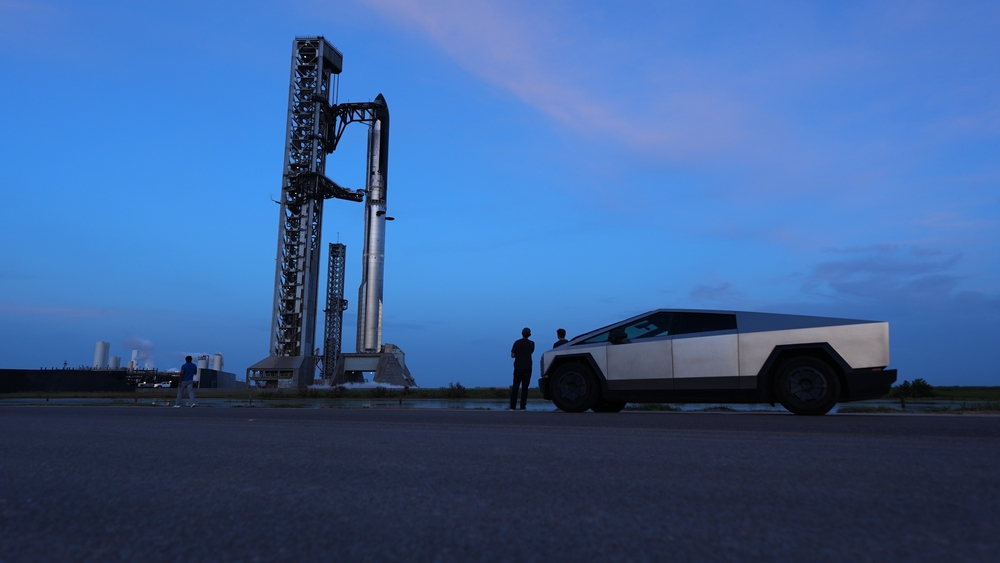
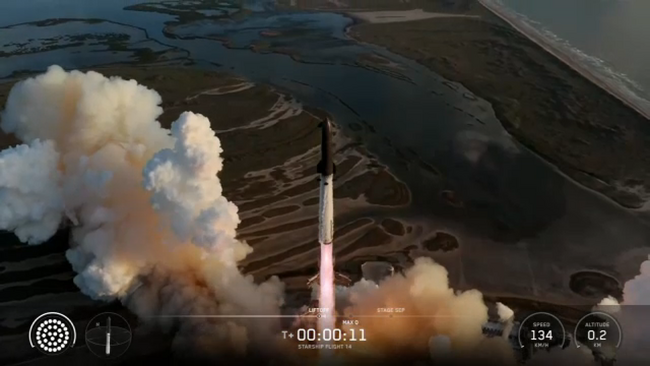
Starship launched from SpaceX's Starbase in Cameron County, Texas, in the company's first attempt to orbit Earth, with the spacecraft flying more than 170 miles above our planet.
The company said the spacecraft lost one engine during the ascent to space and was working to determine if it could go into orbit due to the loss of the engine. In an update, however, they said the Starship was in orbit.
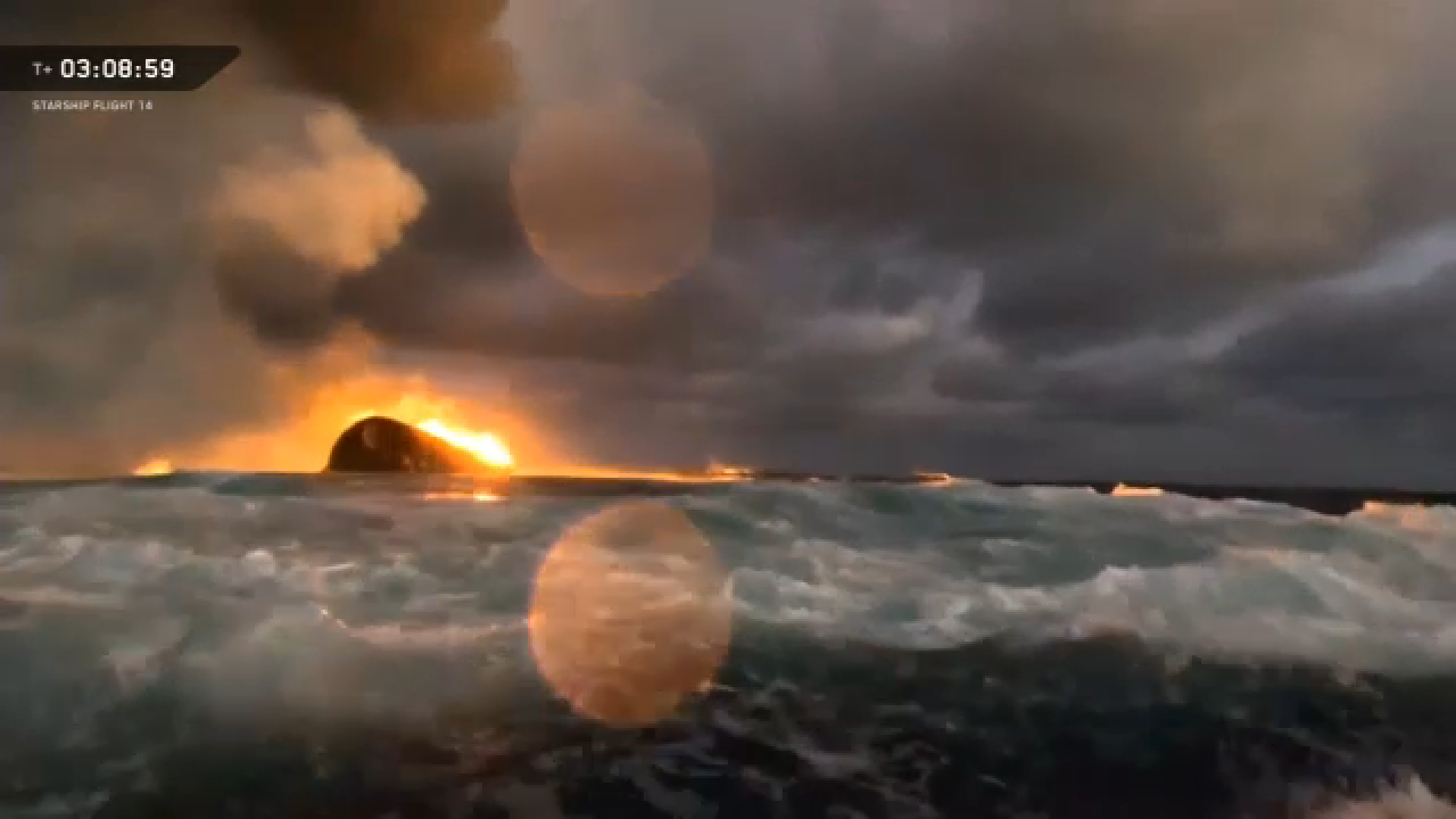
SpaceX later shared it had decided to end the mission early, taking advantage of its first checkpoint. They said the vehicle would splashdown north of Hawaii about 3 hours into the mission.
The mission concluded at about 11 a.m. CT/12 p.m. ET after Starship splashed down in the Pacific.
This is the first time the company used Starship to put Starlink satellites into orbit. According to SpaceX, a total of 26 Starlinks were added to the growing constellation of internet satellites that are already in orbit.
The flight was initially scheduled for an 7:15 a.m. CT/8:15 a.m. ET launch from SpaceX's Starbase in Cameron County, Texas, but that was pushed Monday morning to 7:48 a.m. CT/8:48 a.m. ET.
The mission was expected to last 10 hours, with an estimated six orbits around the Earth, before the company's decision to end it early.
The company said that while it had some issues with the engines, the flight demonstrated progress with the Starship program.
What was expected during test flight 14
The mission started similarly to previous Starship flights, with the spacecraft lifting off Starbase atop the Super Heavy booster.



The booster would then separate from Starship, perform a burn to return to Earth, and land in the Gulf. Starship then continues on a trajectory the company has used for previous missions in order to get orbit-ready.
Starship would then fire one of its Raptor sea-level engines and perform a burn that will help it orbit around the Earth for the first time.
SpaceX said that during the launch out of Earth's atmosphere and the pre-orbit burn, measures were put in place to bring Starship back to Earth if problems arose.
Starship would then deploy the Starlink satellites for the first time, placing them into orbit for ongoing use, making this the first income-generating mission for Starship.
At the end of the mission, a de-orbit burn using another Raptor engine would help Starship splashdown in the Pacific Ocean, west of Chile. The company said that if the flight ends early because of a technical or mechanical issue, the splashdown location would change.
Because Starship is not designed to land in cold ocean water, SpaceX said an explosion during splashdown took place, which is not an indication of a problem or an unsuccessful mission.