As unregulated peptides grow in popularity, doctors warn of unknown risks


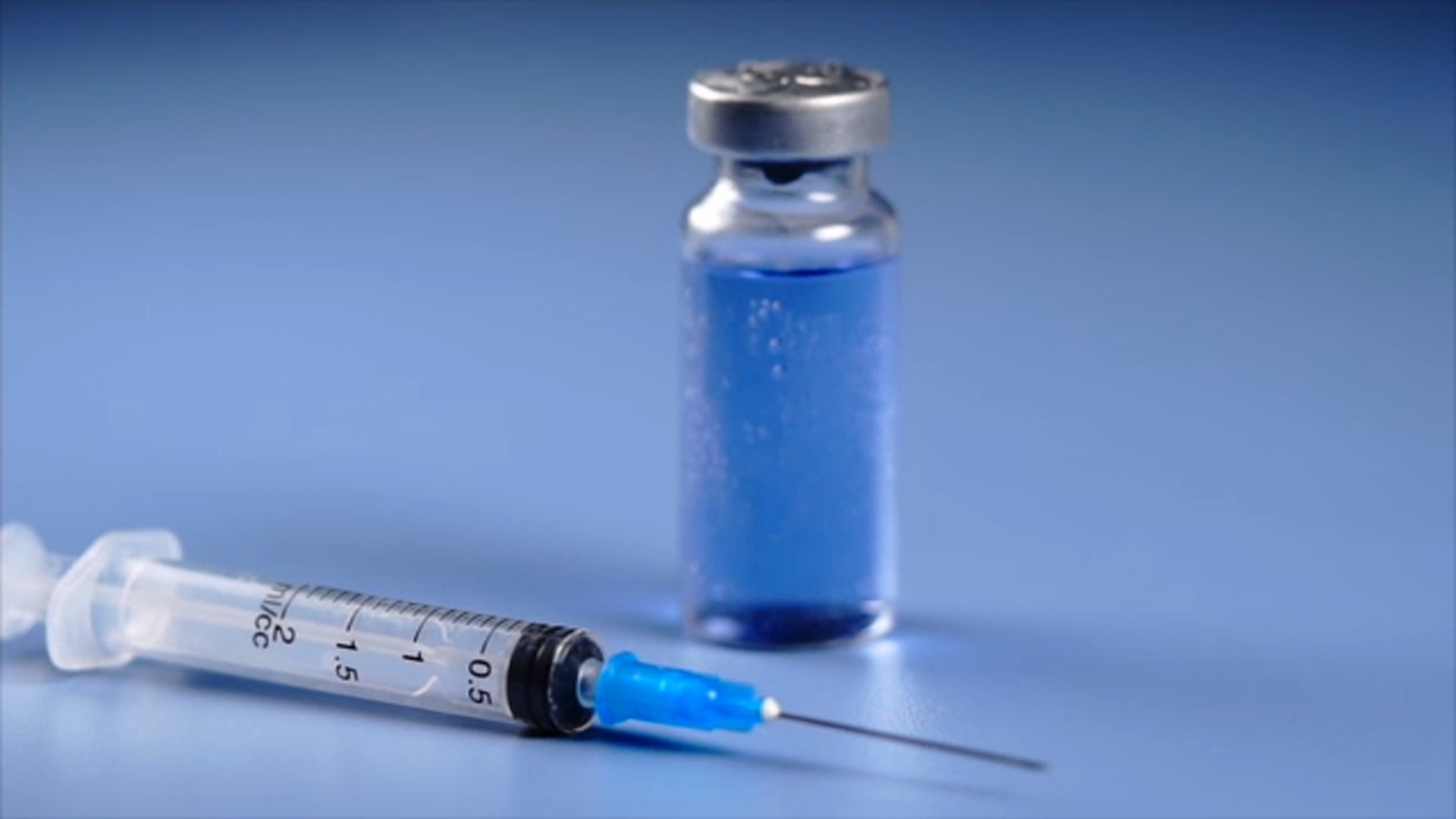
LOS ANGELES -- With peptides increasingly part of public conversation - from insulin to GLP-1 diet drugs - another category is drawing attention: unregulated peptide injections that claim to help with healing, weight loss and beauty.
This summer, the Food and Drug Administration plans to consider easing restrictions on unregulated peptide injections, but those products are already being used, raising questions about how safe they are.
Jennifer LaSalle, a 44-year-old gym owner, said achieving her current level of fitness took about a decade of consistent effort.
"I want to make sure that my body is optimized, ultimately," she said. "I want to be sure that I'm functioning at my absolute best as I age."
Two years ago, LaSalle developed painful tennis elbow that she says did not improve with physical therapy.
"I couldn't even lift a water bottle," she said. She later tried different things, like cortisone injections.
Then, she turned to a different type of injection, one that does not require a prescription. The peptide BPC-157, sometimes called "Wolverine," is based on anecdotes about tissue healing.
LaSalle says she saw changes quickly.
"After about a week, I was blown away by how much improvement I had already noticed," she said.
Seeking more information, LaSalle connected with influencer Jay Campbell, who has built his brand and business around experimental peptides that he claims offer many benefits.
"Keeps you younger, more energetic, better sleeping, obviously lower body fat, lower levels of inflammation," Campbell said.
These benefits for experimental peptides are unproven regarding safety or effectiveness in humans.
There's also another concern: the labels on these vials say "for research purposes only" and "not approved for human consumption," shifting the liability from the seller to the purchaser.
"It's kind of like, 'Buyer beware,'" Campbell said. "Make sure that if you're the end user, you understand what you're doing and what you're doing."
Emergency room physician and medical toxicologist Dr. Stephanie Widmer says the science behind many of these substances is limited.
"Almost all of them, across the board, lack high-quality human data, especially long-term safety data," she said.



Widmer explains that peptides are chains of amino acids, or small proteins, that the body naturally produces and that can influence hormones, immune signaling and growth pathways.
Unregulated versions are often synthesized in countries such as China and India, then shipped to the U.S. for repackaging.
"Some studies have shown there have been concerns with mislabeling, contamination, inconsistent dosing, meaning consumers may not even know what they're taking," Widmer said.
Despite the uncertainties, interest appears to be growing, possibly influenced by the popularity of FDA-approved GLP-1 weight loss drugs.
Unlike experimental peptides, FDA-approved medications undergo years of human trials and are subject to regulated manufacturing and distribution. The claims made about unregulated peptides range from muscle recovery and skin care to hair growth.
"I want to maintain my youthfulness and feel great, and peptides are definitely a tool that I use to help achieve that," LaSalle said.
LaSalle said you can't achieve optimal results without exercise and good nutrition, but claims these peptides give her an edge.
"It's just as a matter of each person's individual preference on what risks they're willing to take for the potential outcome that they're looking to achieve," she said.
Widmer said don't be a guinea pig.
"They're willing to allow themselves to be experimented on, and I don't understand that, and I really want people to proceed with caution," she said.