Abbott launches new infant formula made with whole milk: What parents need to know
The new formula is called Similac 360 Total Care Made with Whole Milk.
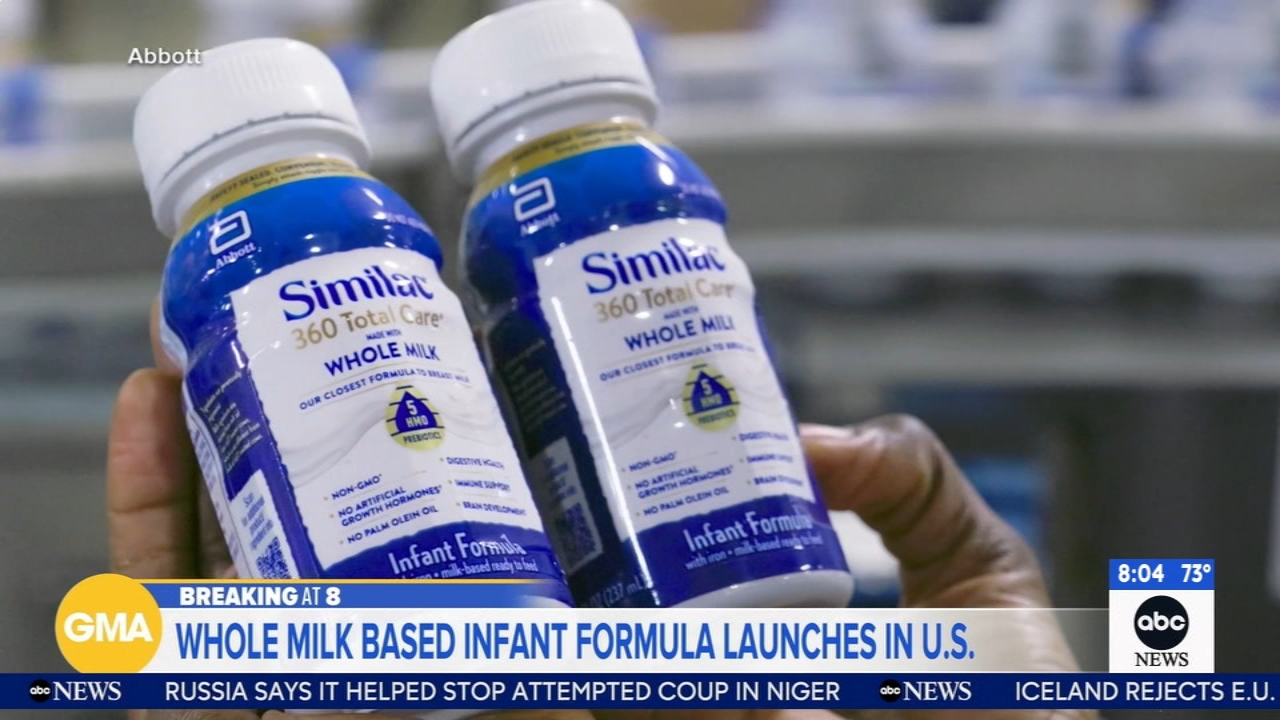

Abbott is launching the first and only ready-to-feed liquid infant formula made with whole milk available in the United States, the nation's largest formula manufacturer announced Monday. The new formula is called Similac 360 Total Care Made With Whole Milk.
"Parents have been asking for more whole milk options, and we wanted to give them something they couldn't get anywhere else," Misha Pardubicka-Jenkins, Abbott's U.S. vice president and general manager for pediatric nutrition, said in a press release.
"We decided on a liquid-only approach to give families the benefits of whole milk, the convenience of a formula that's ready when baby is, and the reassurance that comes with a commercially sterile liquid formula," Pardubicka-Jenkins said.
How does ready-to-feed compare to powdered infant formula?
Both liquid and powdered infant formulas sold in the U.S.meet strict nutrition standards andareconsidered very safe for babies.
While both undergo steps in manufacturing to eliminate potentially harmful microorganisms, liquid infant formula in ready-to-feed bottles undergoes an additional sterility step to become commercially sterile.
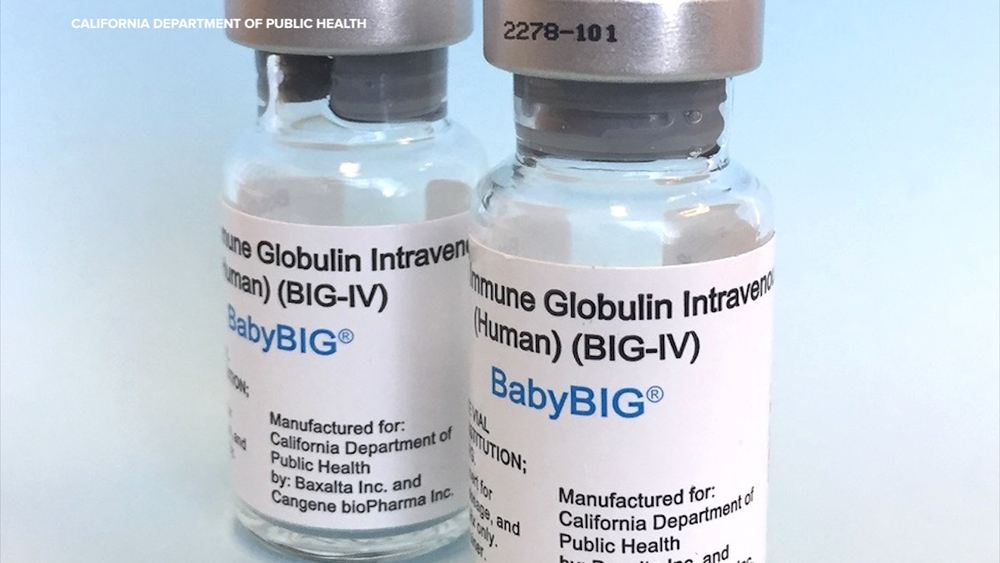
This sterilization step helps eliminate spores of microorganisms, including Clostridium spores that can cause infant botulism,Abbott said in apress release.
The CDC saysthat extra precautions should be taken to make sure powdered formula is properly prepared for infants who are less than two months old, born premature, or have weakened immune systems and parents can consider the use of sterile liquid formula in these populations.
While illness outbreaks from manufactured infant formulas are rare,in recent years, there have been multiple powder infant formula recalls related to contamination concerns from microorganisms.
In 2022, Abbott recalled several infant formulas after four infants became sick with Cronobacter infectionswho's parents say theyconsumed Abbott formula made at their facility in Sturgis, MI. Two of those infants died,according to the FDA.
WhileCDC saystesting did not match the Cronobacter samples taken from the Sturgis facility to the two patient samples of Cronobacter available, the contamination concerns contributed to a national infant formula shortage after the facility in Sturgis was temporarily closed during the outbreak investigation.
In a 2022 statement, Abbott said the outbreak investigation "did not find any definitive link between the company's products and illnesses in children. No retained samples of recalled products tested positive for Cronobacter. And, in all four cases, unopened containers of formula in the infant homes tested negative for Cronobacter skazakii."
Adding they are "committed to working with regulators, independent experts and others to set a new standard in infant formula safety and quality."
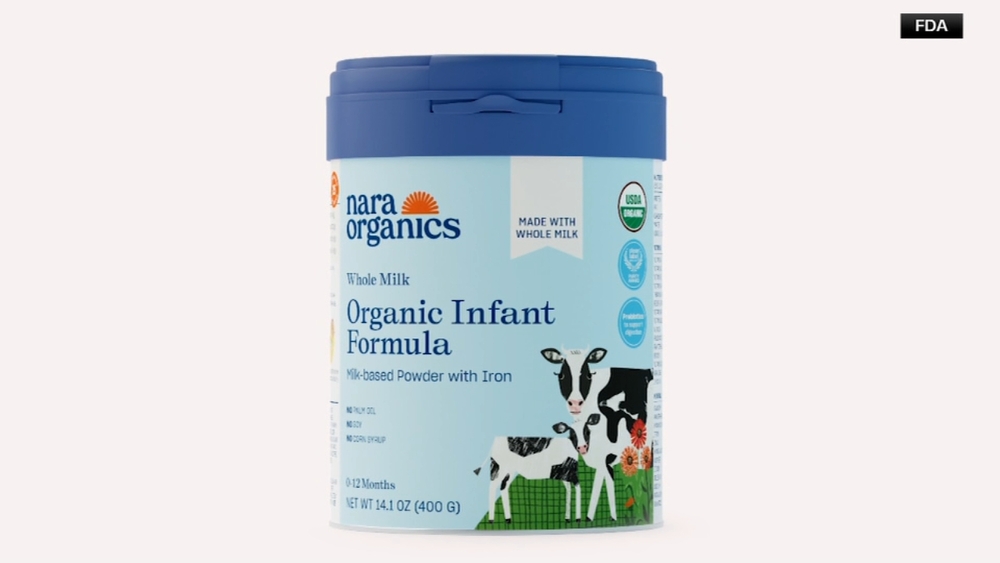
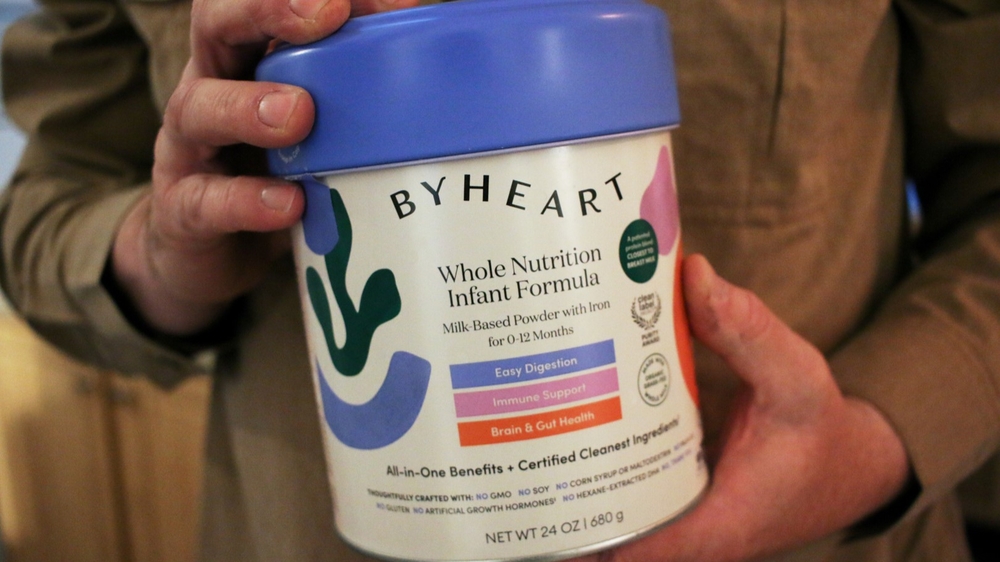
In 2025 and 2026, there have been two infant botulism outbreaks linked to organic whole-milk infant powdered formula made by Nara Organics and ByHeart, the first known botulism outbreaks ever linked to infant formula in the U.S., the FDA said.
The CDC has now declared both outbreaks over.Testingduringthe outbreak investigations foundboth outbreaks linked to organic whole milksupplied by Organic West Milk that was spray-dried by Dairy Farmers of America,the Food and Drug Administration said on Thursday.
ABC News has reached out to Organic WestMilk and Dairy Farmers of America, who did not immediately respond.



The FDA continues to investigate the root cause of botulism linked tothese products and their post-outbreak response to help prevent future illnesses. Both of these formulas have been recalled and should not still be on store shelves.
On Thursday, Nara Organicsposted an update on their website, stating they are no longer sourcing from US dairy."Our plan is to bring Nara infant formula back to families with EU dairy and rigorous C. Botulinum testing protocols in place."
ByHeart also posted a statementon its website describingthe mitigation measures they are taking, including identifying a new supplier and enhancing testing.
"What we have learned has given us pivotal insights to inform our path forward. We have always been proud of our rigorous standards, and now we are making them even stronger, reflecting new knowledge in the science of safety. We are working with the FDA on the safe resumption of infant formula production, and these are the immediate steps we are taking," ByHeart said.
"We are working with the FDA on the safe resumption of infant formula production," ByHeart added.
Another difference is that ready-to-feed infant formula is often more costly than powdered forms.
Abbott said they are making the price-per-feed of the 8- and 32-fluid-ounce bottles of their new ready-to-feed formula made with whole milk more comparable to the price-per-feed of their other Similac 360 powdered infant formulas.
How does formula with whole milk compare to other options?
There are now several formulasavailable in the U.S.that use whole milk.
"Historically, most commercial infant formulas have used a skim animal milk as their protein-base and a vegetable oil blend rich in essential fatty acids for their fat content," Dr. Ari Brown, a board-certified pediatrician based in Austin, Texas and author of Baby 411, told ABC News.
When counseling parents on how to choose the right one for their baby, Brown said that every family and baby's needs are different based on the price they can afford and preferences.
"Today, some infant formulas utilize whole animal milk because it contains an ingredient called MFGM (milk fat globule membrane)--MFGM is found in human and other animal milks," Brown said.
"While it is not clear that whole milk-based formulas (or other premium ingredients) are truly superior, formula manufacturers try to meet the demand. Future studies are certainly needed to see if there are true benefits for the additional cost."
Infant formula made with whole cow's milk still requires added vegetable oils to closely match what's found in breast milk.
"One keypoint here--even infant formulas that use whole animal milk still add vegetable oil blends to match the essential fatty acids found in breast milk. It's not either/or for the fat content; it's both," Brown said.
"Since there are so many infant formulas on the market, it boils down to 3 important questions--What does your baby like? What do you like? And what does your wallet like? These priorities may lead to different answers."
Parents should still talk to their pediatrician when deciding what formula is right for their baby or if they are experiencing any feeding concerns.
Jade A. Cobern, MD, MPH, is a practicing physician, board-certified in pediatrics and general preventive medicine, and is a fellow of the ABC News Medical Unit.