FDA approves updated COVID vaccines. Here's what you need to know
The updated vaccines protect against the XFG strain.


As summer winds down and children and teenagers across the U.S. head back to school, it also means updated COVID-19 vaccines are around the corner.
This week, the Food and Drug Administration approved updated vaccines to protect against the predominant strain of the virus.
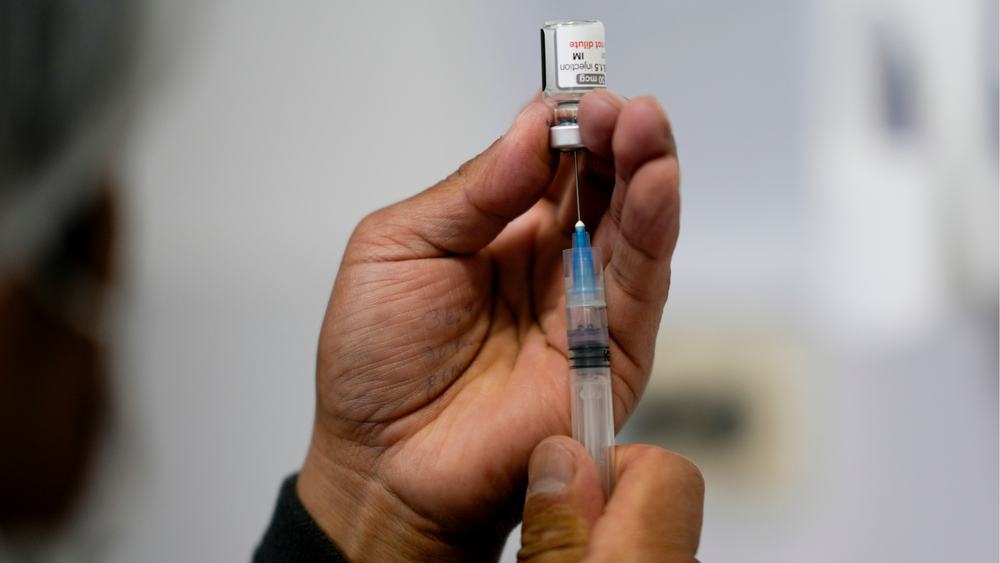
Both Moderna and Pfizer received approval for their mRNA vaccines and Sanofi also received approval for a protein-based shot, similar to vaccines that have been around for decades.
"Like the influenza virus, the COVID virus mutates; it changes notably over time, and so we have to update the vaccine in our best attempt to match the strain that we anticipate will be most active during the coming winter," Dr. William Schaffner, a professor of preventive medicine at Vanderbilt University Medical Center in Nashville, told ABC News. "The better the match we have with what's in the vaccine and the circulating strain, the more effective the vaccine will be."
What strain does the updatedvaccinetarget?
The updated 2026-2027 COVID-19 vaccines target the XFG strain, a recombinant omicron variant, meaning it formed through the combination of two omicron subvariants.
XFG currently accounts for about 40% of cases in the U.S., according to the latest data from the Centers for Disease Control and Prevention (CDC) in July.
Who is eligible?
Moderna's shot is approved for those 6 months through 64 years old with an underlying condition and for all adults aged 65 and older.
Pfizer's shot is approved for those 5 years through 64 years old with an underlying condition and for all adults over age 65.
According to the CDC, underlying conditions placing people at risk for higher risk of severe COVID-19 include but are not limited to cancer, asthma, chronic lung disease, diabetes, heart conditions, mental health conditions and pregnancy.
"We have to recognize that these vaccines work best at preventing severe disease. They work best at keeping us out of the hospital and intensive care unit," Schaffner said.
Where will the vaccines be available?
This season's COVID-19 vaccines are expected to be available in pharmacies, hospitals and clinics across the U.S. in the coming days.
Public health specialists have said that it is safe to receive a COVID-19 vaccine at the same time as a flu shot or an RSV vaccine, for those who are eligible.
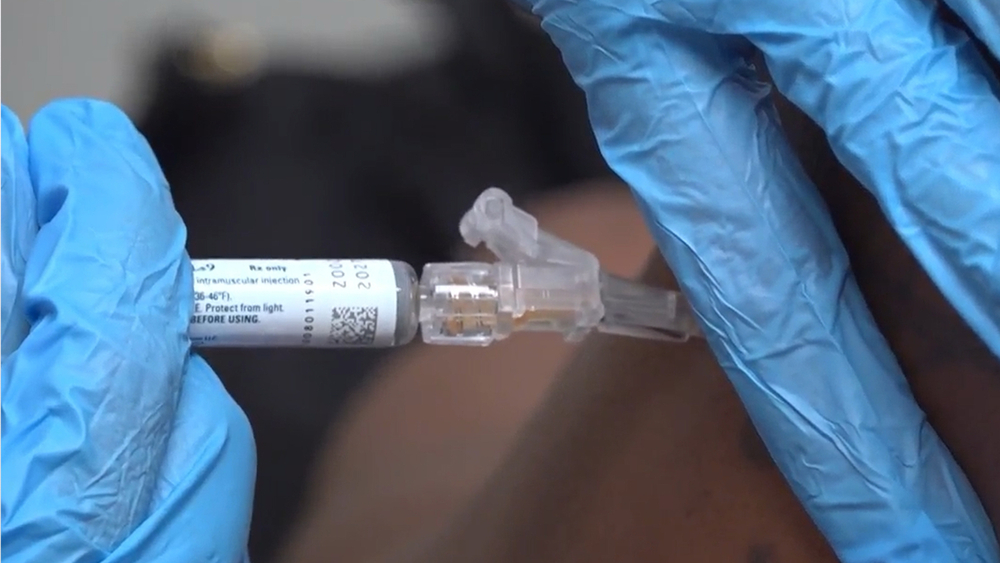
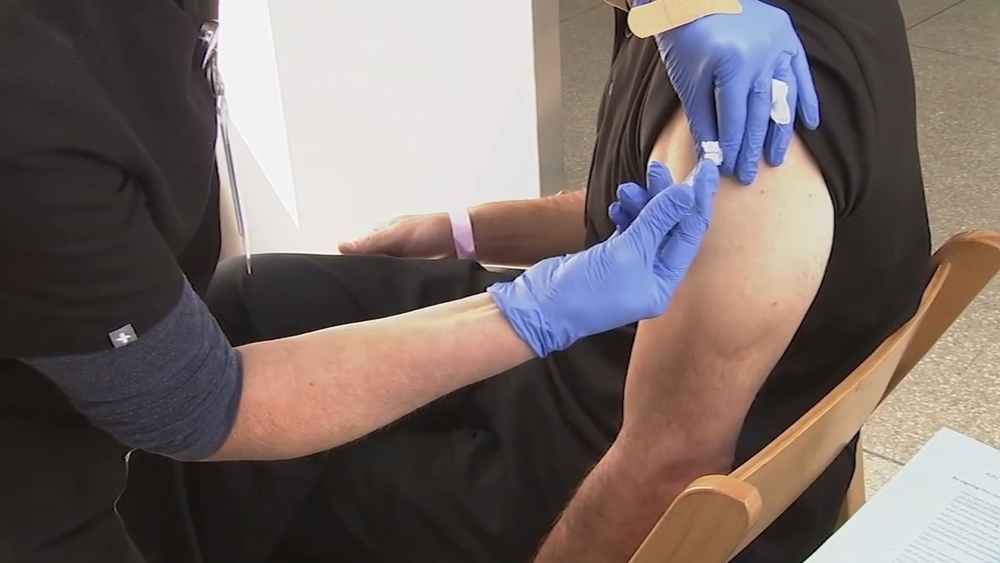
In reference to the flu and COVID vaccine, Schaffner said people can receive one vaccine in one arm and one in the other, or both in the same arm but separated by a distance.


"Both of those means of getting the vaccine and getting them simultaneously work just fine," Schaffner said. "Some people like to postpone it and just get one after the other. That will work, but I'm always worried that a vaccine postponed may be a vaccine never received."
Are the vaccines free?
In previous years, the CDC had a Bridge Access Program that provided free COVID-19 vaccines to adults without health insurance and adults whose insurance does not cover all COVID-19 vaccine costs. The program ended in August 2024.
It's unclear if uninsured individuals will be able to access vaccines through their state or local health department immunization programs this season.
Public health specialists are hopeful that the updated COVID-19 vaccine will be covered at no cost with most insurance plans, including Medicare Part B and Medicaid.
Most insurers have to cover shots recommended by the CDC's Advisory Committee on Immunization Practices, which evaluates and votes on vaccine use recommendations after the FDA approves or authorizes a vaccine.
However, earlier this year, a federal judge stayed Health Secretary Robert F. Kennedy Jr.'s appointments to the panel.
"I'm hopeful [insurers] will cover the vaccine because it makes sense for insurance companies to pay for it to prevent as many people from getting seriously ill," Dr. Peter Chin-Hong, an infectious diseases specialist and associate dean for regional campuses at the University of California, San Francisco, told ABC News.
Whysome people maywant toget vaccinated
Despite many Americans having received COVID vaccines or been previously infected with COVID in recent years, Chin-Hong and Schaffner noted that immunity can wane. Vaccination can help reduce the risk of severe illness, including hospitalization and death.
More than 1.2 million Americans have died from the virus since the pandemic began, according to the CDC.
Chin-Hong said there are four groups who are at highest risk for severe disease and should receive the updated COVID-19 vaccine: those aged 65 and older, very immunocompromised individuals, pregnant women and the very young, particularly those ages six months to 23 months.
"With those four populations, I'd put an exclamation point next to them," he said. "It's really important that we not lose sight of those four populations. ... those are the people who I still see [most] in the hospital."