Key takeaways from the 2nd night of the GOP midterm convention
The night featured attacks against Muslim Dems and tributes to Charlie Kirk.


Vice President JD Vanceheadlinedthe secondnightof the Republican midterm convention, rallying GOP voters while lacing into Democrats.
But it was President Donald Trump who had the last word of the night, underscoring his gravitational pull on the party's direction and message even as his running mate road tested his role as potential GOP standard bearer.
Here are some key takeaways from Thursday night:
Trump's mixed closing message
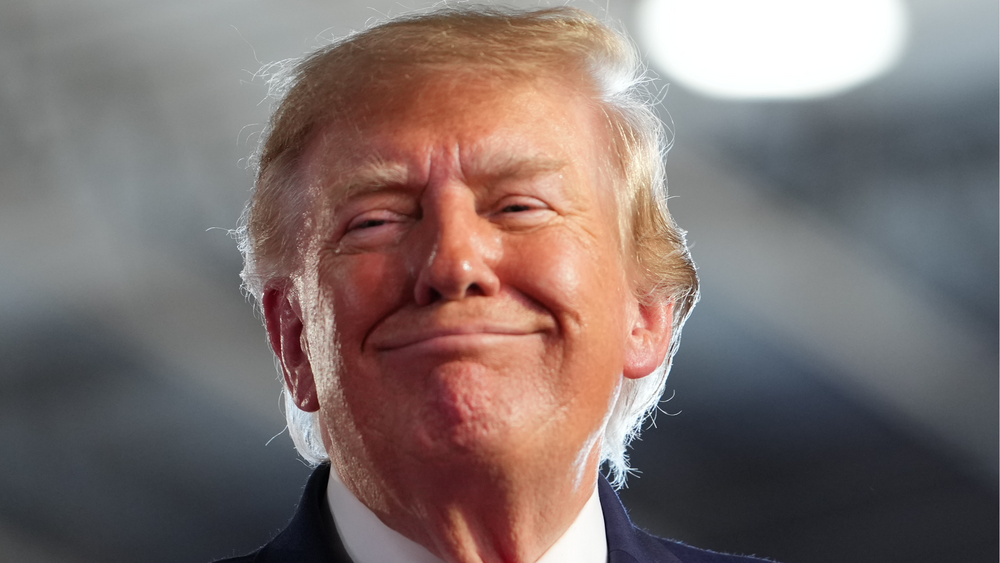
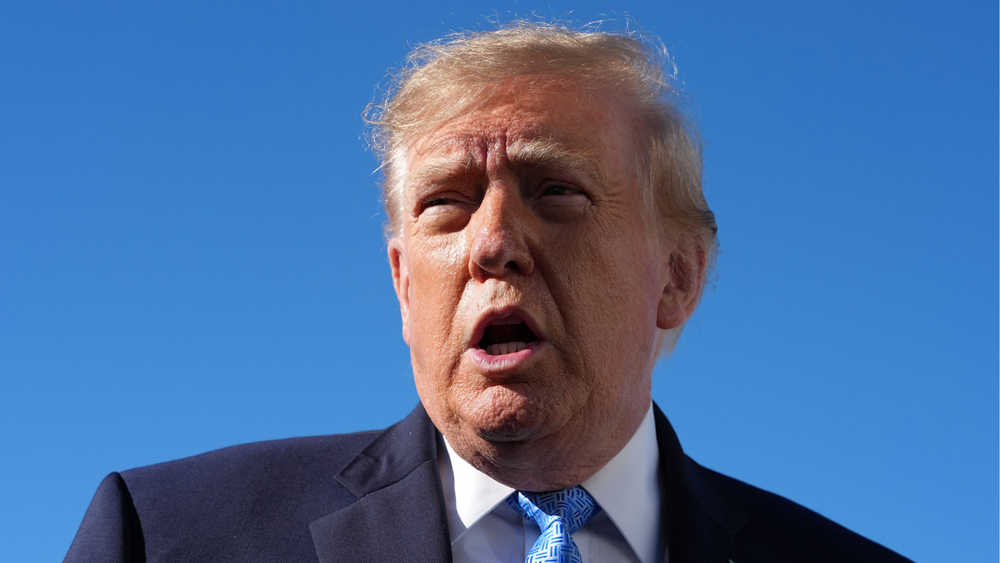
President Trump closed out the convention with freewheeling remarks that echoed the themes of his two-hour speech the night before.
Trump again vowed to give American adults $5,000 payments if Republicans keep control of Congress, a murky redistributive proposal that seemed to catch many top Republicans off guard as they spent the week arguing that the Democratic Party had embraced socialism and communism.
RELATED: Key takeaways from Trump's GOP midterm convention speech
He led his supporters in a pledge that they would vote in the midterms, warning them they would "go to hell" if they didn't vote in November.
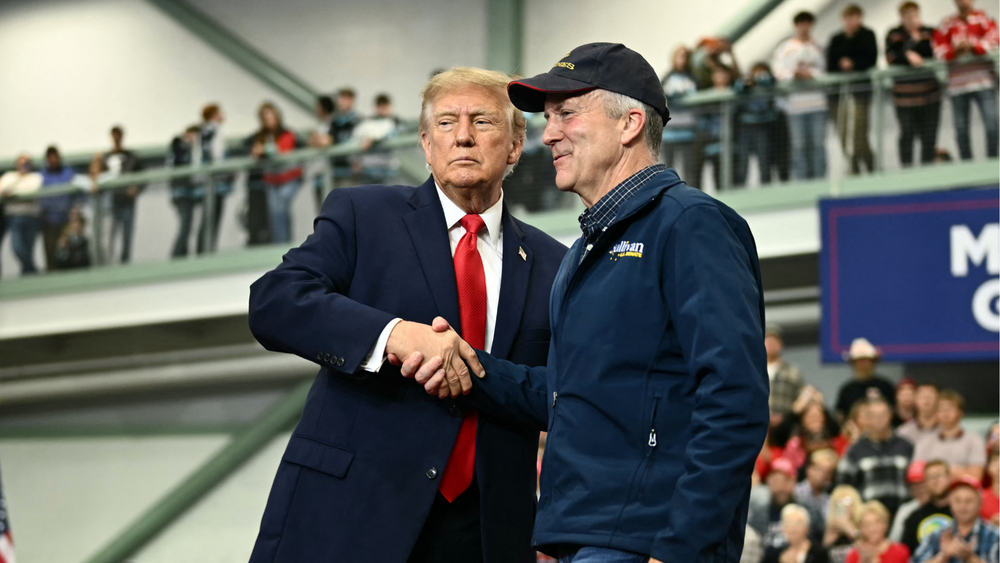
Once again, he joked about Texas Senate candidate Ken Paxton's appearance and the renaming of the Strait of Hormuz, even as he promised to keep his remarks brief.
“We’re going have a good time listening to music because I’m getting a little bit tired of politics now," Trump said at one point.
He rattled off his accomplishments, bashed Democrats and needled the media for talking about empty seats in the American Airlines Center.
At the end of his speech, Trump stood on stage alone, swaying as American tenor Christopher Maccio performed "America the Beautiful" and "Nessun dorma," while balloons fell from the rafters.
The week ended with the spotlight on the president -- underscoring the party's major bet on his ability to connect with supporters to help the GOP weather historic headwinds in November.
Vance's star turn
Before Trump returned to the stage, it was Vance who sharpened his pitch to be the party's future standard bearer and set off the start of 2028 primary to succeed the 47th president.
Vance focused on the cultural and economic frustrations many Americans felt during the Biden administration while also outlining his vision for the country's future.
“Two years ago, we have to remember, our nation, ladies and gentlemen, was tired.We were tired of seeing our factories close. We were tired of our neighbors dying of drug overdoses. We were tired of not being able to afford anything. We were tired of seeing the cartels and the criminals given free rein over our great country, and we were tired of being called racists for noticing that our country was becoming dirtier and poorer and less safe and less prosperous," he said.
But what was most notable was what he did not mention.
Beside's Trump’s $5,000 promise, Vance also did not mention tariffs, the White House ballroom project or the Iran war -- issues that have been synonymous with Trump’s second term and have contributed to the president's low approval ratings.
Vance attacked Democrats throughout his speech, telling the crowd that there are some running in races who want to destroy Western civilization and called out Michigan Democratic Senate candidate Abdul El-Sayed for his past comments about Vance's grandfather and second lady Usha Vance.
But Vance’s address was also a chance to reintroduce himself to the American people, noting that his family has grown over the past year with the arrival of a fourth child, reflecting on his own journey, and outlining his vision for America.
Vance’s address comes as many expect him to launch a presidential campaign in 2028. The crowd was comfortable with Vance at center stage: At one point, supporters started chanting "48" -- a reference to the next presidency and the chatter already underway.
“We’ve got to take care of business this November, then we’ll worry about what comes next,” Vance said.
Republicans zero in on 'communists' and Muslim Democrats
Texas Republican Sen. Ted Cruz, a potential 2028 presidential candidate, delivered a fiery denunciation of the Democratic Party, arguing it had been overtaken by a "red-green alliance: communists and Islamists coming together."

Cruz, who has recently visited Iowa and promoted his new book on a national tour, swiped at Michigan Democratic Senate candidate Abdul El-Sayed and New York City's democratic socialist Mayor Zohran Mamdani, who are both Muslim.
The groups "are united because they share the same enemies. They hate Christians. They hate Jews. They hate capitalism. They hate the Constitution, and they hate America," Cruz said.
Several Republicans also echoed the growing anti-Muslim rhetoric in GOP primaries in Texas and other states this year, with vows to stop the alleged spread of Islamic religious law.
Michigan Republican Mike Rogers, a former congressman and FBI agent who is running for Senate against El-Sayed, invoked the coming 25th anniversary of the September 11attacks and his opponent's relationship with streamer Hasan Piker, who has faced criticism for once saying "America deserved 9/11."
El-Sayed has distanced himself from Piker's remarks, and Piker later said his comments were inappropriate and taken out of context.
"Ineverimaginedthat25yearsafter9/11,IwouldberunningagainstsomebodythatcampaignswithHasanPiker,whothinksAmericadeserved it," Rogers said.
More praise for the president
Republican lawmakers and senior Trump administration officials praised President Trump's record, touting his legislative wins in office and argued Democrats would reverse his accomplishments.
"President Trump has ended nine wars," Health and Human Services Secretary Robert F. Kennedy, Jr., said. "He's restored America's leadership across the globe. I’m so grateful to God for giving us a leader like this."
"We are making America healthy again," he added.
"Republicans and President Trump have delivered for America's hardworking families," House Speaker Mike Johnson declared.
According to a Reuters/Ipsos poll, Trump's approval stands at 33%, tying an all-time low in the poll. But among Republicans, the president's approval rating remains solid, 82% of Republicans approve of his performance.
Notably, however, the share of Republicans who strongly approve of Trump has dipped since last January, from 49% to 37% now.
While he isn't on the ballot, Trump's unpopularity risks dragging down Republicans across the country. GOP strategists believe the convention could help remind 2024 Trump voters of his accomplishments in office, including the rewrite of the tax code, compared to Democrats' plans.
Remembering Charlie Kirk and 9/11
One day before the 25thanniversary of 9/11, and one year since the assassination of conservative activist Charlie Kirk, Republicans paid their respects to Kirk's life and the memories of Americans lost in the 2001 attacks.
Vance, who was close with Kirk, delivered a message to Kirk's children, saying "history will record your father was a great man," as attendees chanted the late activist's name.
Speaking to undecided voters "on the margins," Vance invoked Kirk's legacy, asking them to support Republicans in November and "disagree without being disagreeable."
"Do what Charlie did: do not throw the baby out with the bathwater. Don't give the country over to a bunch of crazy people, because you disagree with us on a policy issue here or there," he said.
Donald Trump Jr. called on Republicans to "stand with people like Charlie" and "stand with Republican candidates who need to push this movement forward."
Many speakers referenced the 9/11 attacks, and the convention's official program featured a tribute to the victims, featuring a performance of "Ave Maria" from tenor Christopher Maccio, who frequently performs at the president's rallies and GOP gatherings in the Trump era.