Recalling the US Secret Service's seen and unseen heroism on 9/11
Agents across the nation scrambled to prevent attacks on U.S. leadership.


On Sept. 11, 2001, U.S. Secret Service Director Brian Stafford saw a situation spinning out of control.
In the Secret Service Crisis Center at its Washington, D.C., headquarters, he watched the aftermath of the attacks on World Trade Center, with multiple protectees to ensure the safety of -- including President George W. Bush who was in Florida.
As he called out directions and weighed options, he also considered the possibility of a decapitation attack on United States leadership.
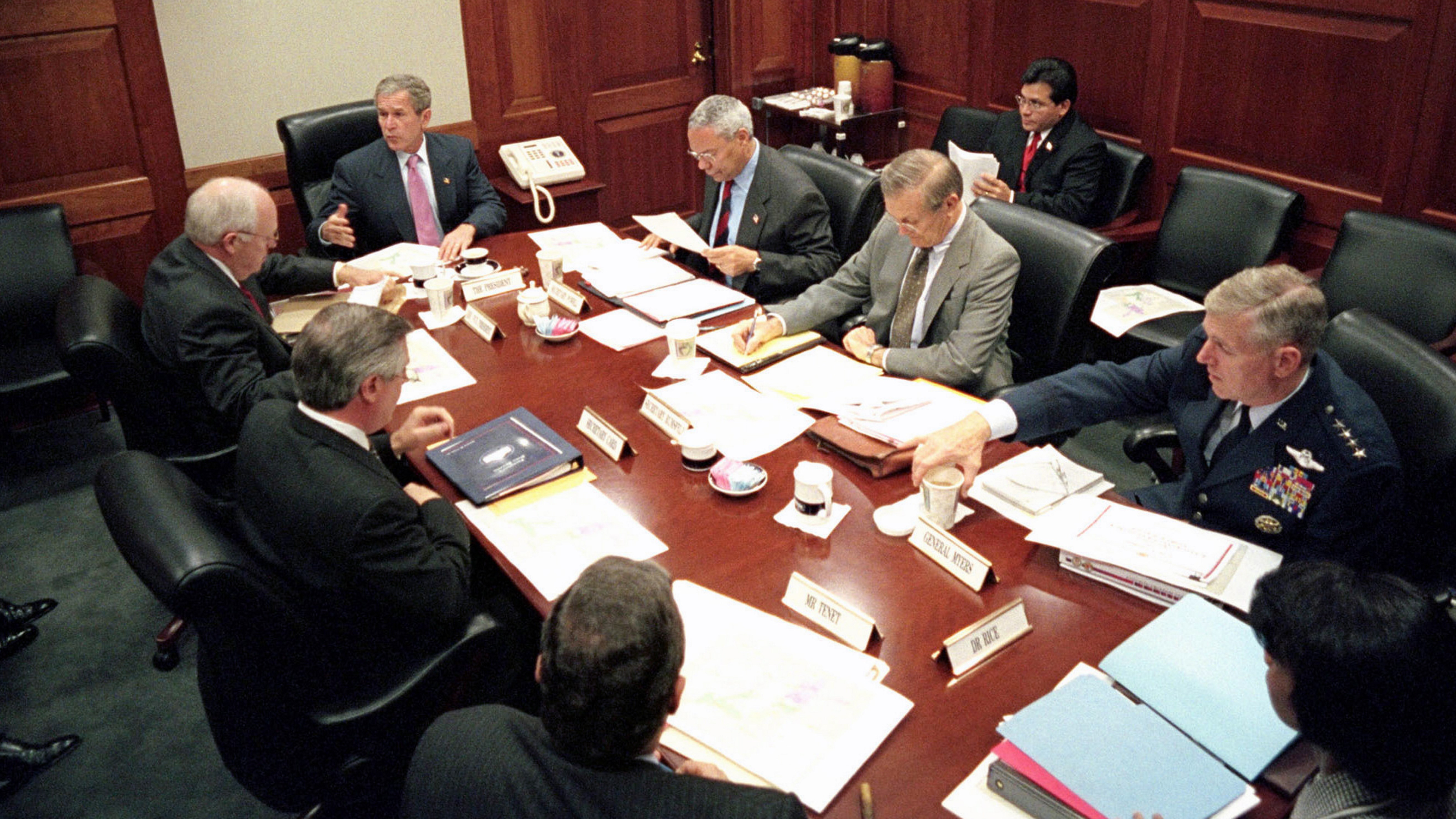
As Stafford quarterbacked the response and monitored protectee locations, he faced the unprecedented responsibility of enacting the federal Continuity of Operations Plan, under Presidential Decision Directive 67, which provides a framework to relocate U.S. leadership to safety.
Not even in World War II had this full continuity posture been activated in this manner, and Stafford had to execute a plan the nation had trained for but never used.
"9/11 Tribute in Light: Live from Lower Manhattan," a one-hour ABC News multiplatform live special, premieres on Friday, Sept.11, at 8:00 p.m. ET across ABC, Disney+, Hulu, National Geographic, ABC Owned Television Stations livestreams and ABC News Live.
In New York City, Special Agents Tom Armas and John Buckley -- who were at the New York Field Office at 7 World Trade Center for the annual UN General Assembly briefing -- raced into the North Tower.
Nearing the 40th floor, the tower moved and knocked them off their feet due to the shockwave of the South tower being struck. Making their way back down, they became trapped in the lobby as the South Tower collapsed and blew out the windows.
Once the rumbling stopped, Armas -- in gym shorts and a T-shirt with his gear clipped to his belt -- and Buckley led a group of civilians and FDNY members outside. Briefly separated on the street amidst the smoke and debris, they reunited minutes later to continue moving people out of harm's way, the pair recalled in 2021.
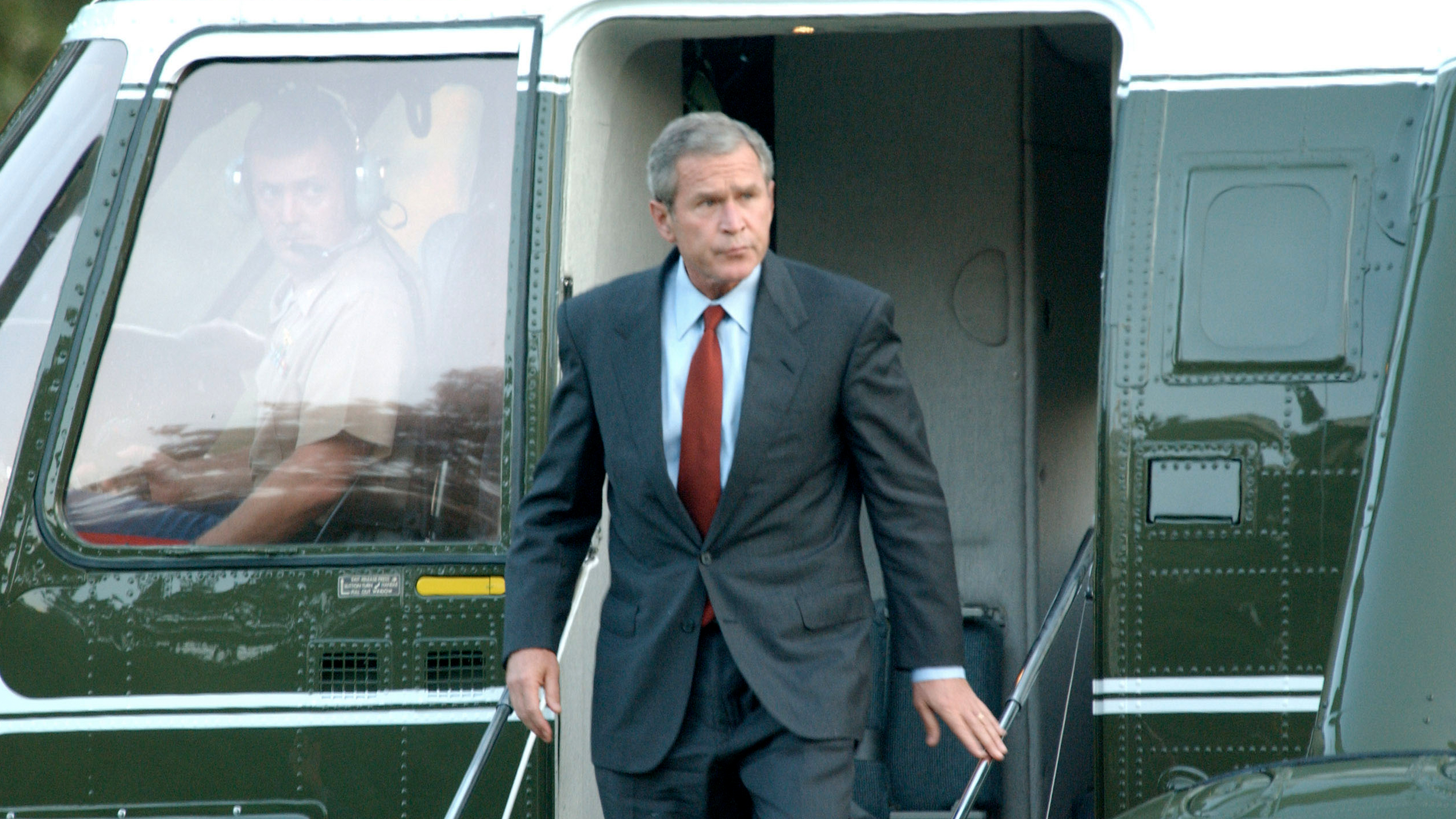
In Florida, Deputy Special Agent in Charge Edward "Eddie" Marinzel -- who was Bush'sdetail leader for the visit -- was compelled into emergency actionwhen White House Chief of Staff Andy Card told him that "America is under attack," Marinzel told Pittsburgh's WPXI in 2011.
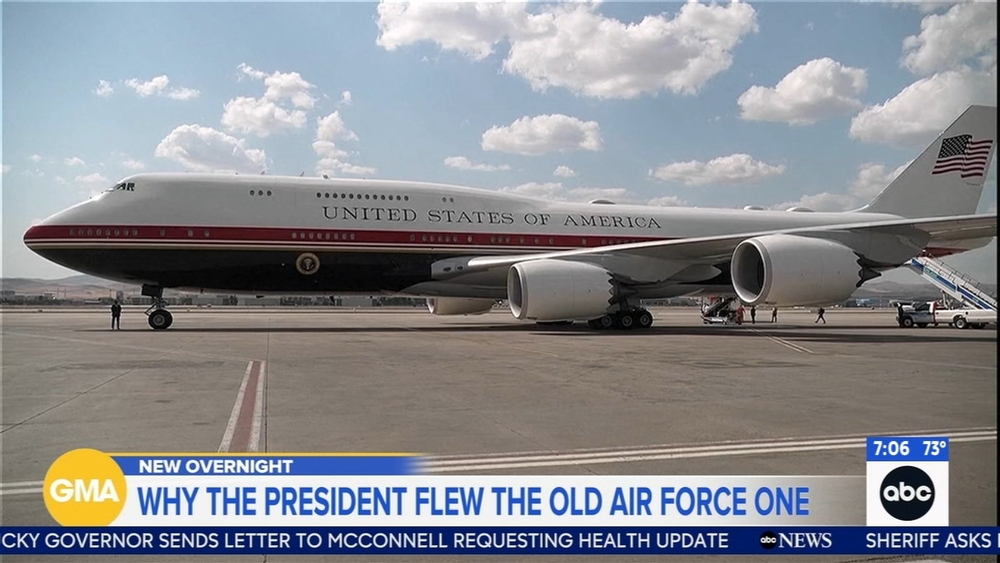
Coordinating with Card, the White House military aide and Air Force One advance teams, to get the president away from potential harm, Marinzel and the team settled on Barksdale Air Force Base in Louisiana for its communications capabilities, countering the president's initial demand to return straight to a vulnerable Washington, D.C.

To keep the Bush moving, Air Force One continued to Offutt Air Force Base in Nebraska, headquarters of U.S. Strategic Command (STRATCOM). By coincidence, the base had a nuclear war drill planned that day, making it the safest location possible.
Once notified that civilian airspace was grounded and combat air patrols secured D.C., Marinzel acquiesced to the president's order to return to the capital.
Across Washington, protective details moved instantly to secure leadership. Detail leader Nick Trotta diverted first lady Laura Bush from the Capitol directly to Secret Service Headquarters. While second lady Lynne Cheney was relocated from the American Enterprise Institute back to the White House.
At the White House, Special Agent Jimmy Scott -- who was part of Vice President Dick Cheney's protective detail -- received word of an inbound hijacked plane. He burst into the vice president's office, grabbed him by his shoulder and belt, and propelled him to the underground Presidential Emergency Operations Center bunker to ensure his survival, Cheney said in his 2011 autobiography.
As night fell that day, Secret Service agents across the nation continued to respond with valor and courage. Most made critical decisions in the heat of battle without clear direction or orders, anchored purely in the mission to protect lives.
"On 9/11, we didn't have time to think about our own families until the sun went down," an unnamed Secret Service agent later reflected. "The only thing that mattered was that the chain of command stayed unbroken, the leaders stayed alive, and the country knew someone was still standing guard."
Sept. 11, 2001 -- Never Forget.
Donald J. Mihalek is an ABC News contributor, retired senior Secret Service agent and regional field training instructor who served on the president's detail and presidential transitions. The opinions expressed in this story are theirs and not those of ABC News.