What's it like to land on the Moon? Inside the NASA simulator helping prepare for Artemis mission


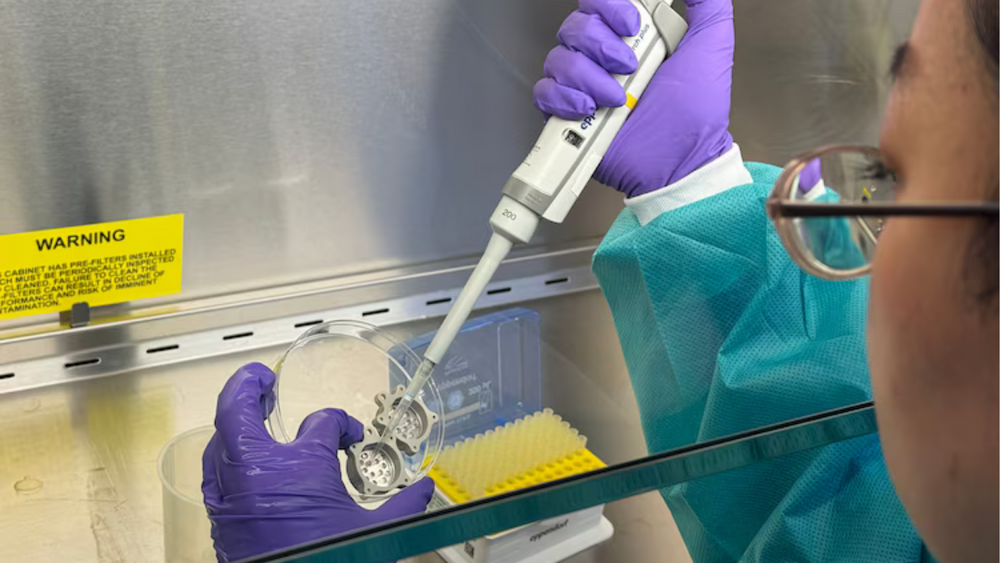
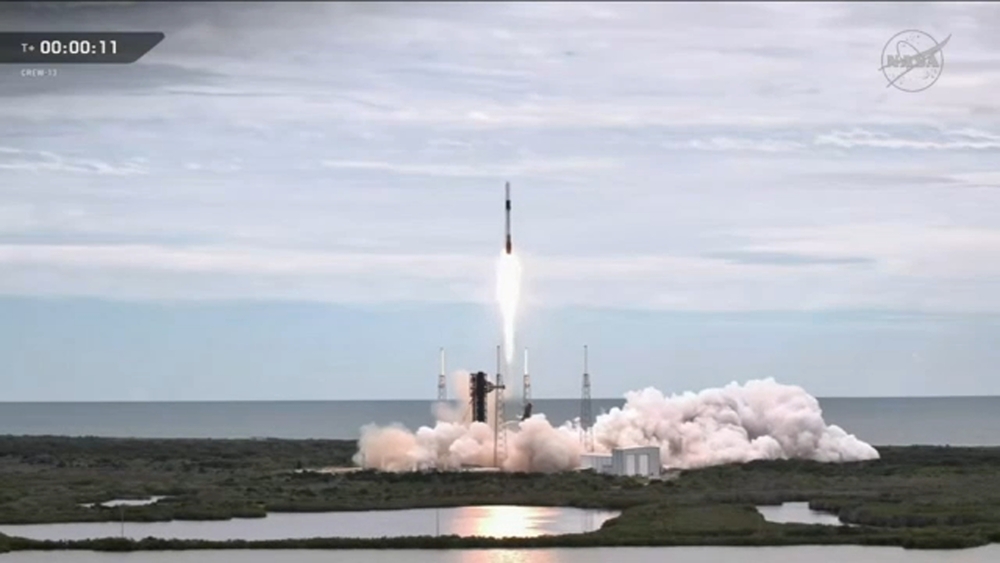
MOUNTAIN VIEW, Calif. (KGO) -- As NASA prepares for the first crewed mission to the Moon since 1972, researchers at NASA Ames Research Center are helping develop and test systems that could shape future lunar missions under the Artemis program.
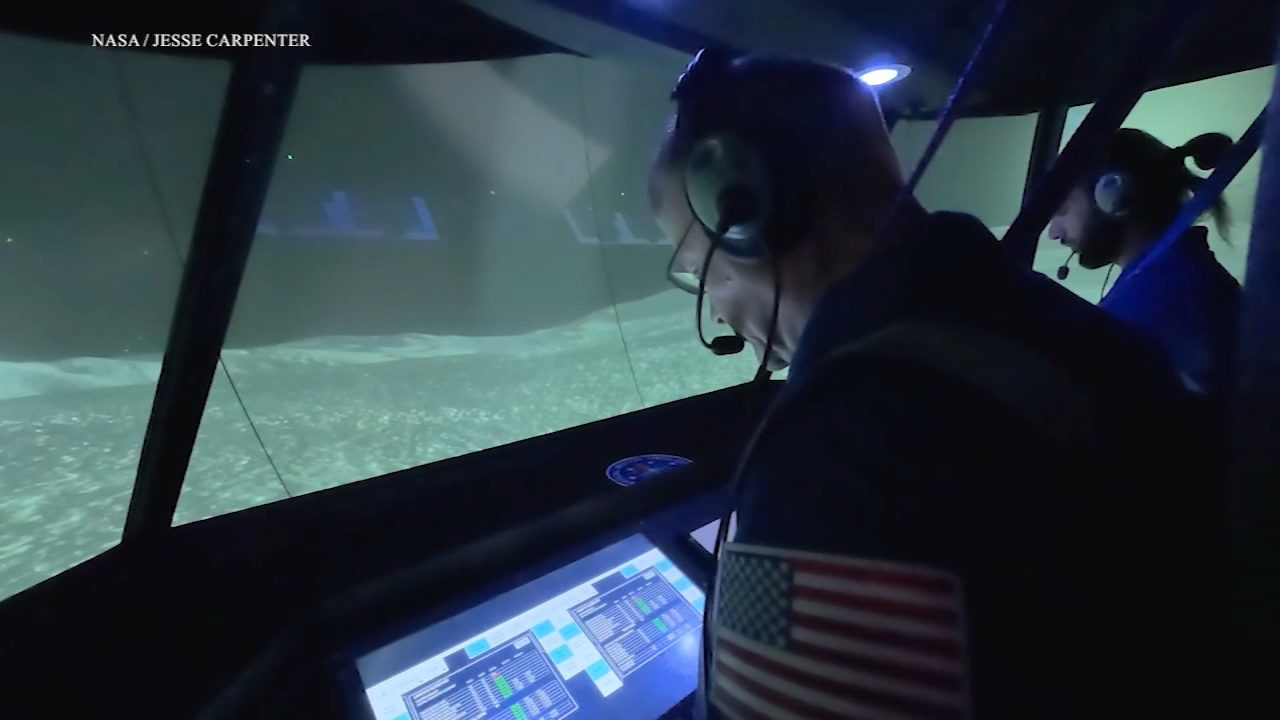
Inside the Flight and Guidance Simulation Laboratories at NASA Ames in Mountain View, California, engineers and researchers are using advanced simulators to recreate conditions astronauts could experience during a Moon landing. One of the center's key tools is the Vertical Motion Simulator, which NASA says is the largest simulator of its kind in the world.
MORE: Bay Area fans celebrate Artemis II splashdown with a roar at Chabot Space Center in Oakland
ABC7 News Bay Area got to take a ride in the simulator to learn more.
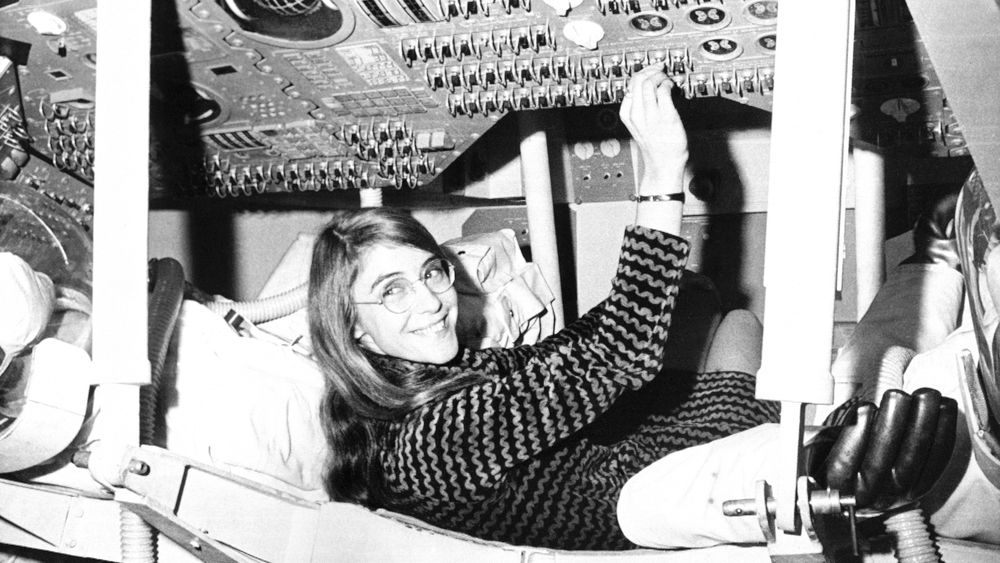
"Today we're going to be riding the vertical motion simulator and we're working on the Moon lander simulation - and you will feel all of that motion. You'll feel what potential astronauts can feel when they're landing on the Moon," said Haroon Khan, a human spaceflight simulation research integrator at NASA Ames Research Center's Flight and Guidance Simulation Laboratories.
The simulator is housed inside a large tower structure and is designed to help astronauts experience and train for conditions that cannot otherwise be replicated outside of spaceflight.
NASA astronaut Doug "Wheels" Wheelock said the simulator played an important role in his own training.
"A lot of my early days were spent in this in the simulator. This is our premier motion based simulator at NASA. It's almost unbounded with vertical motion," Wheelock said.
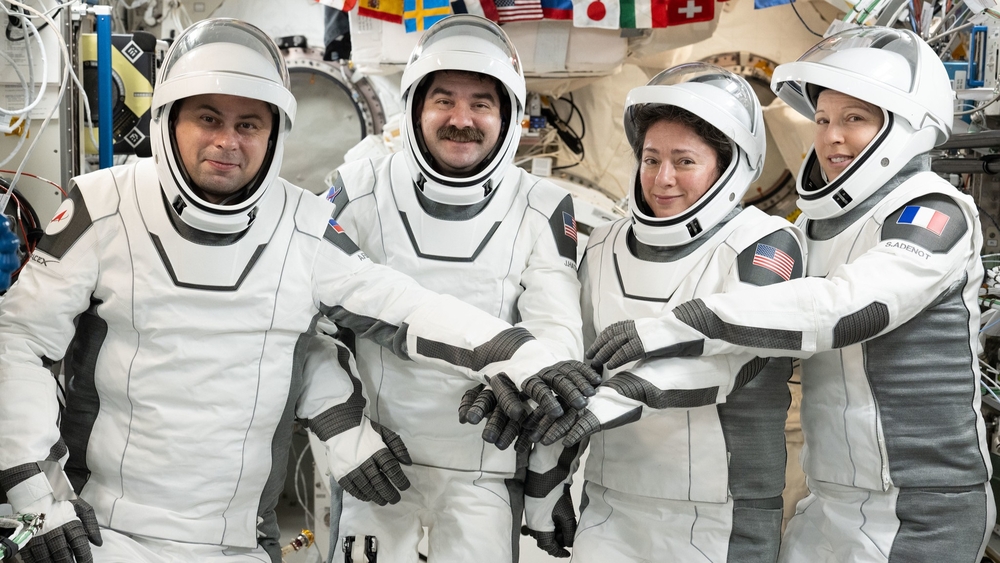
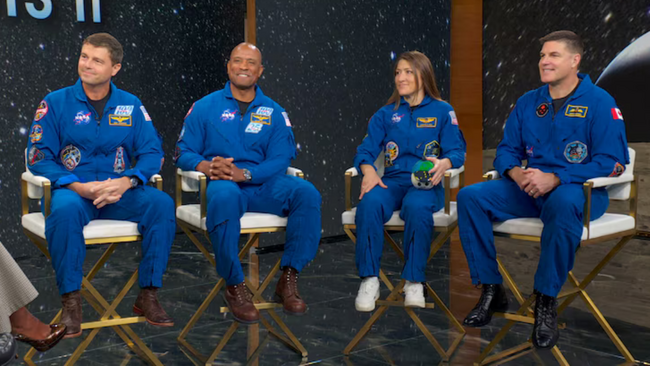
MORE: Artemis II astronauts on their out-of-this-world mission: 'Adventure of a lifetime'

Researchers at NASA Ames are using the simulator and related studies to gather information that could help improve spacecraft systems and astronaut training.
Asked how the work at NASA Ames could influence the mission, Khan said, "The work here will inform us on how to make the displays, how the vehicle work, how to train the astronauts, all these things that we need to figure out before we send people to the Moon."
NASA Ames plans to share the information gathered through its simulations and research with teams in Houston as preparations continue for the Artemis mission, which is scheduled for 2028.