A 3,200-pound NASA observatory plunged back to Earth | Here’s what to know

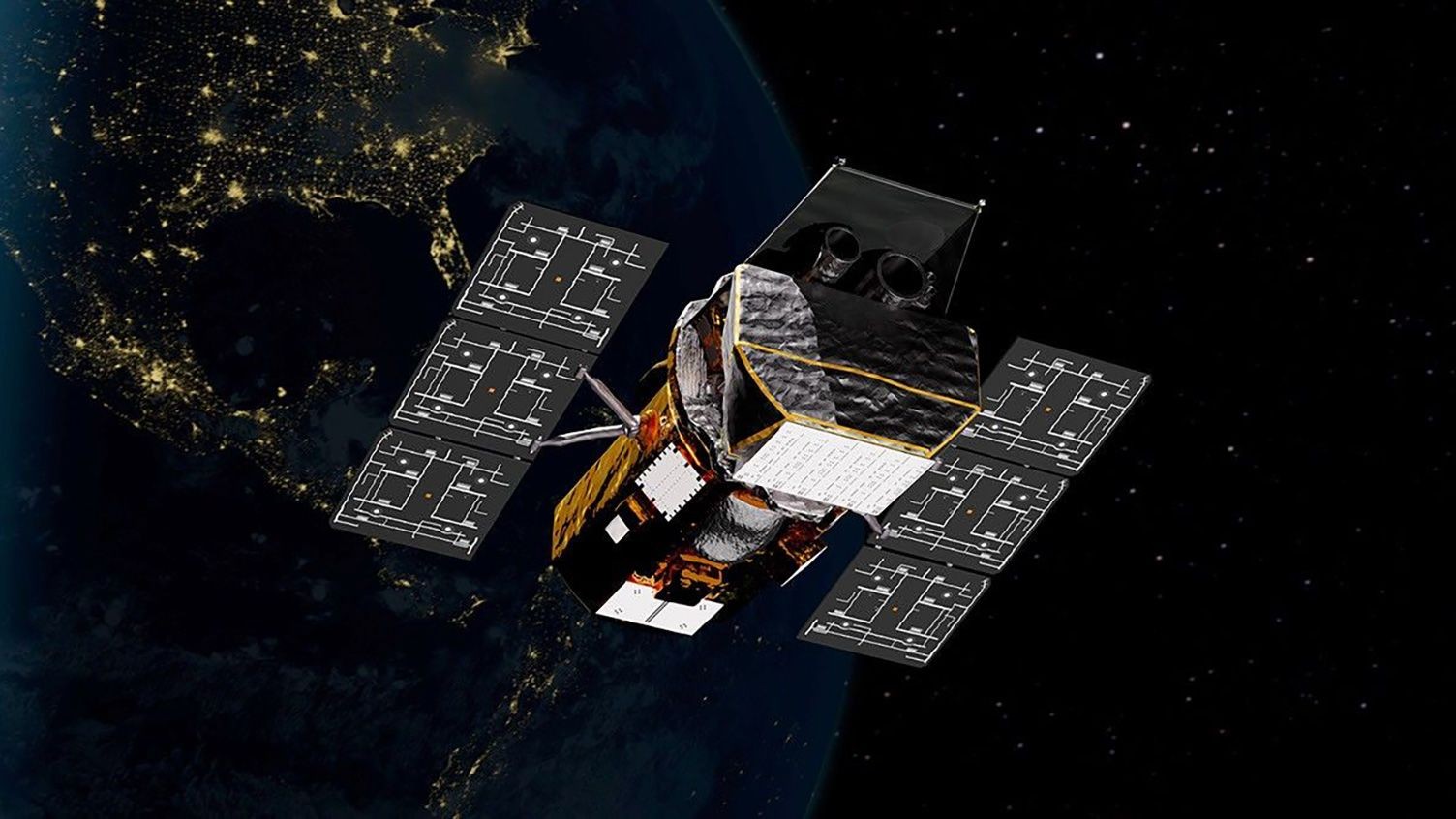
NASA’s Neil Gehrels Swift Observatory met a fiery end on Wednesday morning, nearly 22 years after it launched to study the most powerful explosions in the universe.
Data from the US Space Force estimates the 3,200-pound spacecraft plunged into Earth’s atmosphere over Indonesia around 7:39 a.m. ET.
While most of the observatory was expected to burn up as it blazed through the thick inner band of Earth’s atmosphere, NASA predicted some pieces of the vehicle would survive.
It was not immediately clear whether any surviving debris hit land. Previously, NASA had predicted that the “risk of harm coming to anyone on Earth is unlikely, approximately 1 in 2,100.”
A risky reentry
If Swift were launched today, it would likely have to adhere to far stricter safety guidelines regarding end-of-life planning, according to The Aerospace Corporation, which is a federally funded research and development center.
Current orbital debris mitigation standards, which were updated in 2019, mandate that “uncontrolled reentries have an expected casualty of less than 1 in 10,000,” said Parker Wishik, a spokesperson for The Aerospace Corporation. He noted in an email that, in this context, “casualty” refers to “serious injury or death.”
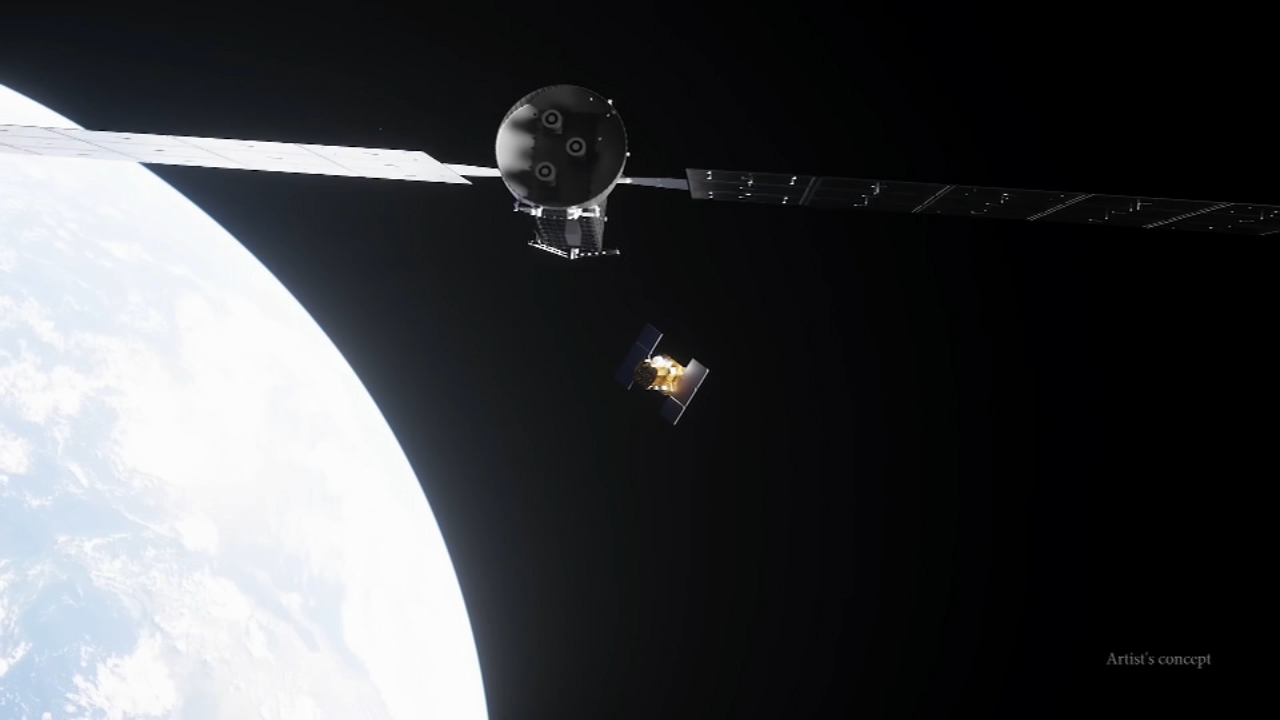
While NASA has long known that Swift would likely have to make an unpredictable plunge back to Earth, the agency had hoped that a daring rescue mission launched in July could latch on and boost the Swift Observatory as atmospheric drag gradually pulled it from a once-stable orbit. It could have extended Swift’s operating life by a decade or more, but ultimately the effort failed. The spacecraft eventually dropped down to just 171 miles (275 kilometers) above the planet, and the observatory officially stopped gathering scientific data.
“At this point, the spacecraft was no longer able to compensate for the effects of the increased drag and entered safe mode,” NASA said in a news release.
A team of researchers at Penn State — NASA’s partner on the project and home to the observatory’s Mission Operations Center — sent the final kill-switch command to Swift on October 20.
Top Stories



Swift’s demise was hastened by an increase in solar activity over the past couple of years as the sun reached the peak of its 11-year cycle in 2024.
Intense flares and coronal mass ejections caused Earth’s atmosphere to expand, which intensified the drag on Swift, leading scientists to predict it would descend toward our planet this fall.
Arizona-based Katalyst Space Technologies scrambled to put together the last-ditch effort to stabilize the Swift observatory earlier this year, getting the rescue mission off the ground in only nine months. The company rapidly produced a spacecraft called LINK, which aimed to grapple the telescope and lift it back into a stable orbit. But the mission failed a few weeks after LINK’s launch in July as the satellite spun out of control in space before reaching the Swift observatory.
Another rescue attempt
As Swift’s fate was sealed, mission scientists slowly turned the telescope’s instruments back on to collect data and observations right up until the end. The instruments had been shut off for months to save power and mitigate how quickly the spacecraft sank out of orbit.
The Swift Observatory, which does not have an established observational replacement waiting in the wings, has served as an astrophysics multi-tool in low-Earth orbit since it launched in November 2004.
Named after fast-flying birds, the telescope could quickly pivot to observe blink-and-you-miss-it cosmic events such as flaring black holes.The telescope was originally designed to study the most powerful explosions in the universe, called gamma-ray bursts, but scientists have also used it to monitor other types of cosmic flashes as well as asteroids and comets.
Despite the failed attempt to rescue Swift, NASA has signaled it may try similar lifeline-extension missions for other valuable space-based instruments. Last week, the agency issued a solicitation — formally called a Request for Proposals or RFP — to commercial companies, asking how they might boost, service or otherwise prolong the life of the iconic Hubble Space Telescope.
NASA’s analysis shows that there’s a 10% chance Hubble will plungeout of orbit by 2032 and a 50% it will deorbit by 2033, according to the RFP. The belovedtelescope, launched in 1990, has delivered some of the most recognizable images in astronomy and has transformed scientists’ understanding of the cosmos. There is no replacement for Hubble expected before the 2040s, the RFP states.